EN
EN



Conveyor System Automation with Real-Time Object Detection
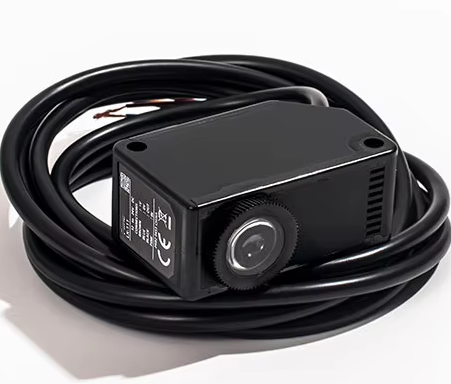
Real-time object presence detection for synchronized motor start/stop
Photoelectric sensors detect items on conveyor belts without making contact, relying instead on infrared light beams to spot objects as they pass through. These sensors kick in when something enters or leaves their designated area, sending signals to start or stop motors so everything moves along smoothly with whatever products are flowing through the system. The result? Fewer blockages happen because things don't get stuck, parts last longer since there's less strain on them, and factories actually save around 40 percent on power costs compared to running machines all day long. What makes these sensors stand out is how well they work despite being installed in places where vibrations from heavy machinery would throw off most other equipment.
Integration with PLCs for precise timing and throughput optimization
When photoelectric sensors get connected to PLCs (those Programmable Logic Controllers), they form what's basically a responsive control loop that works in real time. The way it works is pretty straightforward actually – the sensor data goes straight into the PLC's logic brain, which then makes those super fast adjustments to how fast or slow conveyors move between different processing areas. What this does is close those annoying timing gaps that used to happen during production runs, and according to field tests we've seen throughput jump around 25% in some facilities. Another nice touch is that PLC programming allows for these custom response settings depending on what kind of products are moving through the line. And there's something else too – those smart controllers come with diagnostic features that will notify maintenance staff when sensors start drifting out of alignment long before anyone notices any drop in performance quality.
Case study: Automotive assembly line conveyor speed modulation using thru-beam sensors
One big auto manufacturing facility installed those beam-breaking sensors along their chassis assembly line to keep track of parts moving across these wide 3 meter conveyors. The system worked pretty smartly too - it would adjust conveyor speeds depending on what was happening at each station. When the welding bots finished early, the belts would pick up pace. But whenever there was tool change happening downstream, everything would slow down to avoid creating backups. Looking at the numbers after six months showed some solid improvements: production cycles got 18% faster, they saved around $22 thousand a month on electricity bills, and equipment breakdowns went down by almost a third compared to before implementing this sensor network.
Material Handling and Packaging Line Optimization
Photoelectric sensors handle many important tasks in material handling these days counting items, detecting gaps between products, and keeping track of how full containers are all while cutting down on mistakes by around 30% across packaging lines. The accuracy they bring cuts down on wasted materials, speeds things up through the line, and really helps companies stick to lean manufacturing principles something that matters a lot in industries where regulations are tight such as food processing, drug manufacturing, and consumer product assembly. When it comes to gap detection, these sensors stop conveyor belts almost instantly if anything gets stuck, which saves money by avoiding expensive accidents and unexpected downtime. Monitoring fill levels makes sure every container gets topped off just right, so companies don't end up wasting anywhere near 25% of their raw materials each year. And let's not forget the real time counting feature that sends data straight to inventory management systems, giving manufacturers better control over what they produce when they need to.
Counting, gap detection, and fill-level monitoring in packaging lines
These applications rely on photoelectric sensors for high-speed, high-accuracy control:
- Counting verifies item quantities on fast-moving beltsâessential for compliance in pharmaceutical and food packaging, where miscounts risk regulatory penalties.
- Gap detection identifies missing items or irregular spacing between products, triggering automatic stops to avoid pile-ups and misfeeds.
- Fill-level monitoring checks liquid or solid levels in containers to optimize filling volume and minimize spillage or underfill.
Key benefits include:
- 15â20% reduction in rework through immediate error correction
- Lower operational costs via fewer manual inspections
- Enhanced sustainability by curbing material waste
Diffused vs. retro-reflective sensors: Performance in dusty packaging environments
The choice of sensors matters a lot when working in places filled with dust like flour mills, cement factories, or anywhere grains are handled. Regular diffused sensors send out light towards whatever they're trying to detect, but they have problems when there's lots of dust floating around because the signals get scattered everywhere. This makes them inaccurate most of the time, often falling below 85% accuracy when the dust is really thick. On the other hand, retro reflective sensors work differently by using polarized light along with special reflectors that help block out false readings. These tend to stay reliable even when things get messy, keeping detection rates above 95% despite all the grit. The main difference between these options boils down to how well they handle those challenging dusty conditions.
| Feature | Diffused Sensor | Retro-reflective Sensor |
|---|---|---|
| Dust Tolerance | Low; prone to interference | High; resistant with polarization |
| Range | Short (< 1 meter) | Medium to long (up to 10 meters) |
| Use Case | Clean, close-range monitoring | Dusty, high-traffic areas |
Selecting retro-reflective sensors in demanding packaging lines has been shown to cut sensor-related downtime by 40%.
High-Speed Detection for Sorting and Production Line Accuracy
Achieving 10,000+ parts-per-minute verification with modulated LED technology
Today's photoelectric sensors rely on high frequency LED tech that can spot objects moving faster than 10,000 parts per minute ppm which is pretty much essential for those big volume operations like sorting lines, bottle filling plants and electronic component assembly shops. These sensors aren't bothered by normal lighting conditions or vibrations that plague older systems, cutting down on accidental activations by about four fifths even when things get messy on the factory floor. Since they work without touching anything directly, they keep performing consistently when old school approaches start to break down. This means fewer production holdups and better overall system reliability during maximum output periods.
Sub-millimeter positioning using polarized retro-reflective photoelectric sensors
When it comes to really fine work, such as placing semiconductor wafers or putting together tiny components, polarized retro reflective photoelectric sensors can get things positioned within about half a millimeter or so. These sensors have special filters that block out those annoying reflections off shiny metal surfaces, which means they can detect objects reliably without actually touching them. Robotic arms equipped with these sensors can place fragile parts again and again with incredible consistency something traditional mechanical switches just cant do. Factories using this technology report fewer damaged products and maintenance bills that drop somewhere around 35 to 40 percent. Its making a big difference in shops where every fraction of a millimeter matters.
Smart Integration: IO-Link and Predictive Maintenance Trends
The rise of IO Link photoelectric sensors for predictive maintenance
The IO-Link technology turns ordinary photoelectric sensors into smart edge devices because it lets them send and receive real time diagnostic information. Think about things like when the lens gets dirty, how much the temperature changes over time, and what the signal quality looks like compared to background noise. Maintenance crews actually get to fix problems before they become big issues. Instead of waiting until something breaks down, workers can clean those pesky lenses or adjust settings while everything still works fine. Bottling facilities have seen some impressive results from this approach, cutting unexpected stoppages by around 45 percent according to Automation World last year. Take dust buildup on optical components as one case study. The sensors pick up these tiny particles long before anyone would notice any drop in accuracy. With faster sorting systems relying so heavily on accurate sensing, manufacturers are making IO-Link integration a must-have item on their engineering checklists. It helps prolong machine lifespan, saves money in the long run, and makes operations less vulnerable to disruptions.