EN
EN



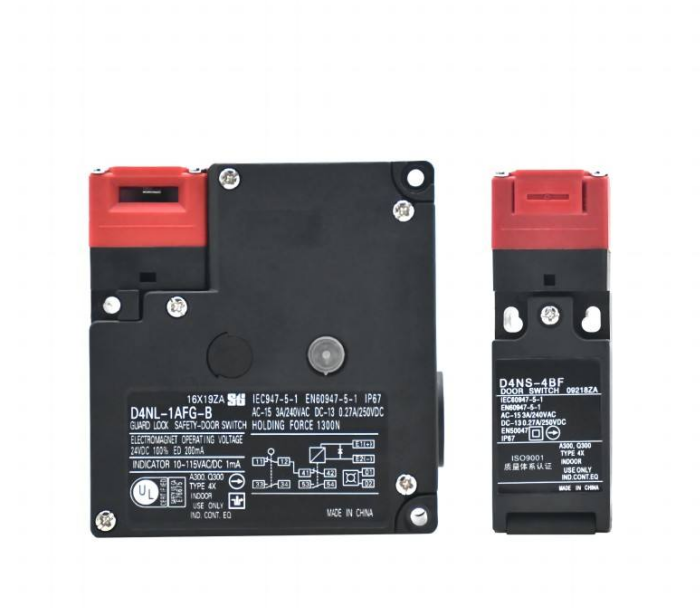
The Essential Role of a Safety Door Switch in Industrial Machine Safety
How a safety door switch prevents unauthorized machine access
The safety door switch acts as our main line of defense against people getting into dangerous areas near machines by accident or without permission. When someone opens a protective guard door, these switches stop the machine from running so workers aren't exposed to moving parts or other hazards. Most modern models come equipped with dual channel contacts plus monitored outputs which makes it really hard for anyone to mess with them. Why does this matter? Well according to Occupational Safety Institute data from last year, almost 57 percent of all injuries related to machinery happen because safety systems were bypassed somehow.
Integration with emergency stop systems and control circuits
Today's safety door switches work really well with emergency stop systems and PLCs for multiple layers of protection. If a door suddenly swings open during operation, these switches will actually stop the whole machine from running and send out warning signals through those monitoring relays we've all seen around factories. The difference this makes is pretty significant too. Factories that upgraded from simple interlock systems reported cutting their downtime down somewhere around 30% give or take, according to various studies looking at how different safety protocols perform in real world conditions.
Compliance with key safety standards (ISO 13849, IEC 60947-5-3)
Adherence to ISO 13849-1 (Performance Level d) and IEC 60947-5-3 ensures fail-safe performance under fault conditions. These standards require:
- Positive-guided contacts to prevent contact welding during high-current events
- Sealed housings with IP67+ ratings for dust and moisture resistance
-
Mechanical lifespan exceeding 1 million cycles for industrial durability
Switches lacking third-party certification increase liability risks by 8x during safety audits, making compliance non-negotiable in regulated environments.
Core Design Features That Ensure Safety Door Switch Reliability
Robust housing materials and IP ratings for environmental durability
Safety door switches are typically made from either stainless steel or glass reinforced polycarbonate materials because these substances stand up well against both corrosion and physical wear over time. The IP65 rated versions keep out dust particles and can handle splashes from low pressure water sources. For tougher environments like those found in meatpacking plants or dairy facilities, manufacturers offer IP69K models that actually survive intense high pressure cleaning cycles. According to research published last year on material fatigue issues, certain industrial grade plastic enclosures have shown they can last at least 15 years when subjected repeatedly to extreme temperature changes ranging from minus 40 degrees Celsius all the way up to plus 85 degrees Celsius. This kind of durability makes them pretty reliable options for factory settings where equipment needs to function consistently despite harsh conditions.
Positive opening mechanism: A fundamental requirement for fail-safe operation
Mandated by IEC 60947-5-3, this design ensures electrical contacts separate before the door fully opens. Unlike spring-dependent mechanisms, positive-guided break action eliminates the risk of welded contacts—a factor in 34% of guard-related incidents (OSHA 2023 data). Dual-channel redundancy enhances safety by cross-verifying contact states, minimizing false signals.
Resistance to vibration, shock, and high-cycle wear
Top-tier switches are tested to withstand 15G vibration (10–2000 Hz) and 50G mechanical shocks—exceeding typical demands in automotive and foundry settings. High-cycle models achieve over 3 million operations using self-cleaning silver alloy contacts and encapsulated terminals. Field data shows MTBF exceeds 800,000 cycles in CNC applications (Plant Engineering, 2024), underscoring their endurance.
Advanced features: Redundancy, manual release, and status indication
| Feature | Reliability Impact | Common Implementation |
|---|---|---|
| Dual contacts | 99.9% fault detection | NC + NO contacts in parallel |
| Manual override | Safe egress during power failures | Key-operated bypass |
| LED diagnostics | 63% faster fault resolution (Maintenance Today, 2023) | Optical/inductive feedback |
These capabilities support predictive maintenance strategies, reducing unplanned downtime by 41% in packaging line audits.
Environmental and Operational Conditions Affecting Safety Door Switch Performance
Industrial safety door switches face severe performance challenges based on their operating environments. Selecting switches rated for these conditions is critical to maintaining both personnel safety and production continuity.
Operating in Temperature Extremes: From Freezing Cold to High Heat
Reliable operation across -40°C to 85°C is essential. Subzero temperatures can stiffen lubricants and cause metal contraction, while extreme heat accelerates material degradation. High-performance units use thermoplastic alloys and corrosion-resistant contacts to endure rapid thermal shifts common in cold storage and foundries.
Challenges of Humidity, Dust, and Chemical Exposure in Food, Pharma, and Heavy Industry
Switches installed in food and pharmaceutical facilities face harsh realities every day including high pressure wash downs, floating dust particles, and aggressive cleaning chemicals. For these environments, equipment needs proper protection through IP69K rated enclosures combined with stainless steel components that stand up to constant abuse. When it comes to chemical processing areas, engineers need to pay special attention to sealing technology since acidic fumes can sneak into unprotected devices. Recent plant audits showed that nearly one third (about 32%) of all switch malfunctions were actually due to vapor intrusion problems last year. Anyone working on installation specs would do well to check those material compatibility tables carefully before finalizing designs, especially when dealing with common industrial substances such as bleach solutions or various types of hydraulic oils that might react differently with different plastic materials over time.
Indoor vs. Outdoor Deployment: Sealing and UV Resistance Considerations
For equipment installed outside, using UV stabilized polymers is pretty much essential if we want to avoid brittle casings and keep those color coded indicators visible even when exposed to direct sunlight all day long. Indoor switches generally handle IP65 protection just fine, but anything meant for outdoor use needs at least IP67 or better to stand up against rain showers, dust storms, and those crazy temperature changes between day and night. According to some tests done last year in real world conditions, the outdoor rated models with polycarbonate bodies and silicone seals lasted about 94% reliable after five whole years out there. That's way better than regular indoor versions which only managed around 67% reliability during similar testing periods. Makes sense really, considering what these things have to endure outdoors versus inside where conditions are much more controlled.
Electrical and Mechanical Reliability Metrics for Long-Term Dependability
Mean Time Between Failures (MTBF) and Projected Operational Lifespan
Field studies show industrial safety door switches achieve MTBF values exceeding 200,000 hours. This metric enables accurate forecasting of maintenance intervals and replacement needs. According to a 2023 analysis of electromechanical components, switches with MTBF above 150,000 hours reduce unplanned downtime by 62% compared to baseline models.
Contact Resistance and Switching Capacity Under Real-World Loads
High-quality switches maintain contact resistance below 50mΩ after 50,000 actuations, ensuring stable signal transmission. They also handle inrush currents up to 10A AC-15 without contact welding—protecting motors and servo drives from damage during frequent starts.
Mechanical Endurance: Validating Performance Beyond 1 Million Cycles
Manufacturers validate durability through accelerated life testing simulating over 2 million cycles. These tests expose wear patterns in springs and contact blocks, guiding design improvements that extend operational life well beyond typical industrial requirements.
Maintenance, Diagnostics, and Troubleshooting for Sustained Safety
Common Failure Modes: Misalignment, Contact Wear, and Actuator Damage
Three primary issues compromise switch reliability:
- Misalignment: Incorrect door-to-actuator positioning causes 42% of failures in automated systems (2024 Machinery Safety Report)
- Contact Wear: Arcing degrades contacts after 100,000+ switching operations
- Actuator Damage: Impacts exceeding 50 N often deform plastic actuators in high-traffic areas
Built-In Diagnostic Features Enabling Predictive Maintenance
Integrated LED indicators and self-test circuits allow early detection of faults. A 2025 study on industrial maintenance strategies found facilities using predictive techniques reduced unplanned downtime by 63% versus reactive approaches.
Recommended Inspection Schedules and Cleaning Best Practices
To maintain compliance and functionality:
- Conduct quarterly operational tests to verify E-Stop response
- Perform bi-annual contact resistance checks (threshold: < 0.5 Ω)
- Clean actuators with non-abrasive, IP6X-rated tools to avoid contamination
While manufacturers validate switches to 2 million mechanical cycles, real-world stresses necessitate replacement every 6–12 months in mission-critical applications.
FAQs
What is a safety door switch used for?
Safety door switches are designed to halt machine operation to prevent exposure to dangerous machinery parts when a guard door is opened, ensuring worker safety.
Why are compliance with standards like ISO 13849 and IEC 60947-5-3 important?
Compliance ensures that safety door switches perform reliably under fault conditions, reducing liability risks and enhancing overall safety.
What challenges do safety door switches face in harsh environments?
Switches must endure temperature extremes, humidity, dust, and chemical exposure, requiring robust materials and high IP ratings for optimal performance.
How can built-in diagnostic features aid maintenance?
Diagnostic features like LED indicators and self-testing circuits help detect faults early, supporting predictive maintenance to reduce unplanned downtime.
Table of Contents
- The Essential Role of a Safety Door Switch in Industrial Machine Safety
- Core Design Features That Ensure Safety Door Switch Reliability
- Environmental and Operational Conditions Affecting Safety Door Switch Performance
- Electrical and Mechanical Reliability Metrics for Long-Term Dependability
- Maintenance, Diagnostics, and Troubleshooting for Sustained Safety
- FAQs