EN
EN



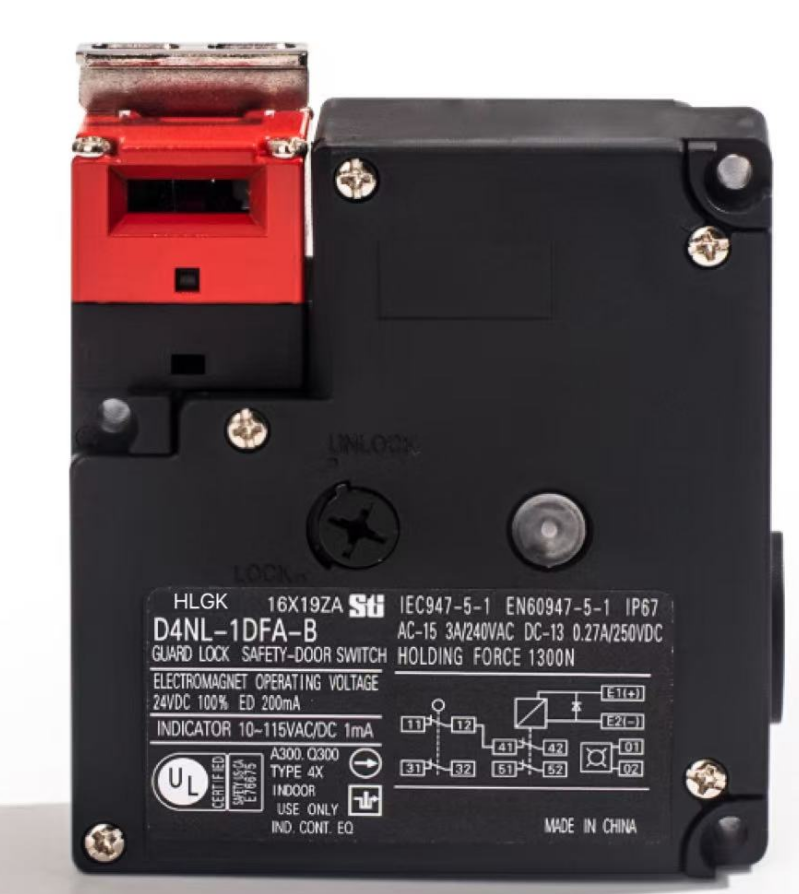
Understanding Safety Door Switch Function and System Integration
The role of safety door switches in industrial hazard prevention
Safety door switches are essential for keeping workers safe in factories and plants. When someone opens a guard door, these switches stop machines right away before anything bad can happen. They keep people out of dangerous areas while equipment is running, which cuts down on serious accidents like getting crushed or caught in machinery parts by about two thirds according to OSHA data from last year. Now there are versions with special seals that protect against dust and moisture, plus newer models that use NFC technology. These advanced switches connect to central safety systems throughout entire facilities. This means managers can monitor all those access points at once across big operations such as car assembly lines or pill packaging plants where hundreds of doors need constant surveillance.
Integration with machine guarding and automated safety systems
Today's safety approaches often mix door switches with other tech like light curtains and area scanners to create multiple layers of protection. Take robotic welding cells as an example. These setups usually feature magnetic coded switches on panel doors that team up with dual channel monitoring following those ISO guidelines from 2019 to stop people from messing around. The whole package cuts down on false alarms quite a bit actually - studies show about 41% fewer incidents than when using just one system alone according to Industrial Safety Quarterly last year. And let's not forget about communication protocols either. Things like CIP Safety running over EtherNet/IP keep response times super fast, sometimes under a thousandth of a second which matters a lot in high risk environments.
Common applications of limit and position switches in production environments
- Injection molding machines: Position switches confirm mold clamping before cycle initiation
- Palletizing systems: Interlocked gates prevent robot arm movement during maintenance
- Food processing lines: Hygienic magnetic switches monitor clean-in-place hatches
As noted in the 2025 Safety Systems Report (Insight Vault), 89% of new installations now pair safety door switches with IoT-enabled guard locking, supporting audit-compliant access control and remote diagnostics.
Proper Positioning and Mounting for Optimal Performance
Best practices for installing safety door switches to ensure immediate response
Precise alignment between switches and actuators is essential for reliable hazard interruption. Maintain contact surface gaps of 3 mm to ensure consistent actuation while verifying full door closure. A 2023 safety automation study found that misalignments exceeding 5 mm increased failure-to-trigger rates by 43% in high-force stamping applications.
Compliance with ANSI and ISO standards for visibility and location
ANSI B11.19-2019 specifies switch placement between 4–5 feet (1.2–1.5 meters) above floor level to minimize accidental activation. Where vibration exceeds 12 Hz, ISO 14119 mandates tamper-resistant mounting plates—a measure linked to resolving 22% of unplanned downtime cases identified in machine safety audits.
Adjusting height, angle, and alignment for ergonomic and reliable operation
Optimal installation balances accessibility and reliability:
- Mount vertically within ±10° of plumb to accommodate door sag
- Angle horizontal switches 15°–20° downward to resist contamination buildup
- Set actuator engagement force at 70–90 lb (31–40 kgf) to avoid false triggering
These adjustments support long-term performance under dynamic operational conditions.
Case study: Preventing conveyor access point failures through correct placement
A packaging facility reduced gate-related safety incidents by 72% after relocating safety door switches from frame corners to hinge-side center positions. This change eliminated blind spots previously exploited during rapid maintenance entries, ensuring complete coverage of detection zones.
Installation Techniques for Single and Dual Door Safety Systems
Step-by-Step Installation Guide for Single-Door Safety Switch Setups
Start by mounting the safety door switch onto the fixed frame, making sure to use those corrosion resistant brackets for long term stability. Position the actuator somewhere between 2 to 5 millimeters away from the main switch body so it triggers reliably when needed. If following EN IEC 60947-5-1 guidelines is important for your application, then connect those normally closed contacts into the control circuit in series fashion. Don't forget to check everything works properly with a good old fashioned multimeter continuity test. And absolutely remember to run through all the functions thoroughly before putting the system live. Better safe than sorry!
Addressing Challenges in Dual-Door Configurations and Synchronization
Dual-door systems require synchronized shutdowns to eliminate exposure gaps. Use paired limit switches with timing tolerance under 100 ms to ensure simultaneous activation. One manufacturer cut access-related incidents by 43% after upgrading to laser-aligned magnetic reed switches with redundant actuators, enhancing both precision and fault tolerance.
Using Mechanical Interlocks and Modular Systems for Coordinated Control
Mechanical interlocks physically restrict door movement until the safety switch confirms secure closure. When combined with RFID tags and PLC logic, modular systems enable centralized monitoring of ten or more access points. Benefits include:
- Tamper resistance aligned with ISO 13849-2
- Module replacement in five minutes versus two-plus hours for traditional wiring
This modularity improves uptime and simplifies troubleshooting.
Balancing Reliability and Maintainability in Multi-Door Interlock Design
In high-traffic areas, cam-operated safety switches with IP67 ratings offer durability over 1 million cycles with less than 0.5 mm operational drift. For easier maintenance, select hinged switch bodies that allow actuator adjustment without disassembly—reducing downtime by 68% in automotive plants (Industrial Safety Journal, 2022).
Wiring Safety Circuits for Compliance, Redundancy, and Fault Tolerance
Designing Circuits to Meet Category 3 and Category 4 Safety Performance Levels
Safety circuits need to keep working properly even when something goes wrong in order to satisfy Category 3 standards under ISO 13849. The higher Category 4 takes this concept one step beyond what most people expect. These systems actually have built-in backup components and monitoring mechanisms that catch problems before they can cause real harm. Take dual channel designs as an example. They basically check signals coming through separate paths at the same time. If there's a mismatch between these signals lasting longer than about ten milliseconds, the system will automatically shut down to prevent accidents. Manufacturers also commonly install fail safe relays along with self testing modules throughout their equipment. These components help spot potential issues much earlier than traditional methods would allow, which makes the whole setup significantly more dependable over time.
NEC and IEC Compliance in Wiring Practices for Electrical Continuity
Adherence to NEC Article 409 ensures proper conductor sizing, while IEC 60204-1 governs grounding integrity. Use color-coded wiring (e.g., yellow for safety circuits) and corrosion-resistant terminals to prevent miswiring. Installations compliant with both standards saw a 41% reduction in arc-flash events compared to those following only one (2023 analysis).
Implementing Dual-Channel Monitoring to Prevent Tampering and Bypassing
Dual-channel redundant signaling detects tampering attempts such as jumper wires by comparing outputs from separate circuits. A mismatch beyond 10 milliseconds triggers an immediate shutdown. Facilities using this method reported a 92% decrease in unauthorized bypass incidents within six months.
Key Statistic: 68% of Failures Linked to Poor Wiring or Lack of Redundancy
According to a 2023 Ponemon Institute study, 68% of safety circuit failures resulted from undersized conductors, loose connections, or single-channel designs. In contrast, fault-tolerant systems with redundant contacts and monitored outputs reduced unplanned stoppages by 57%, demonstrating that robust wiring directly enhances operational continuity.
Testing, Validation, and Regulatory Compliance After Installation
Functional Testing Procedures to Verify Safety Door Switch Performance
Testing should begin with verification of electrical continuity and mechanical responsiveness. Use multimeters and dedicated test actuators to simulate door movements under load, replicating real-world stress. For dual-channel systems, perform redundancy checks by disabling one channel and confirming the backup maintains safe operation within acceptable response time limits.
Documentation and Frequency Requirements for Ongoing Validation
Maintain comprehensive records of tests, calibrations, and maintenance actions. ISO 13849 mandates semi-annual validation for safety door switches in high-risk settings. Facilities with standardized documentation reduced unplanned downtime by 34% compared to those with inconsistent tracking (2023 safety audit).
Real-World Example: Diagnosing Recurrent Tripping from Misaligned Actuators
A packaging plant experienced frequent tripping despite passing initial inspections. Root cause analysis revealed actuator misalignment causing intermittent contact loss. The solution included deploying laser-guided alignment tools and updating preventive maintenance checklists to include quarterly positioning reviews, eliminating repeat incidents.
Overview of OSHA, ISO 13849, and IEC 60947-5-1 Compliance in Deployment
- OSHA 1910.147: Requires safety door switches to prevent unexpected machine restarts during servicing
- ISO 13849-1: Mandates Performance Level d (PLd) or higher for hazardous machinery
- IEC 60947-5-1: Defines minimum electrical durability at 1 million cycles for industrial-grade switches
Navigating Regional Differences in Safety Activation Standards
European operations must comply with EN 1088’s magnetic coding rules for tamper resistance, whereas North American sites follow ANSI B11.19’s focus on physical guard positioning. Multinational organizations should adopt regionally adaptable validation protocols that meet the strictest applicable standard, ensuring global compliance without compromising local requirements.
Table of Contents
- Understanding Safety Door Switch Function and System Integration
-
Proper Positioning and Mounting for Optimal Performance
- Best practices for installing safety door switches to ensure immediate response
- Compliance with ANSI and ISO standards for visibility and location
- Adjusting height, angle, and alignment for ergonomic and reliable operation
- Case study: Preventing conveyor access point failures through correct placement
- Installation Techniques for Single and Dual Door Safety Systems
- Wiring Safety Circuits for Compliance, Redundancy, and Fault Tolerance
-
Testing, Validation, and Regulatory Compliance After Installation
- Functional Testing Procedures to Verify Safety Door Switch Performance
- Documentation and Frequency Requirements for Ongoing Validation
- Real-World Example: Diagnosing Recurrent Tripping from Misaligned Actuators
- Overview of OSHA, ISO 13849, and IEC 60947-5-1 Compliance in Deployment
- Navigating Regional Differences in Safety Activation Standards