EN
EN



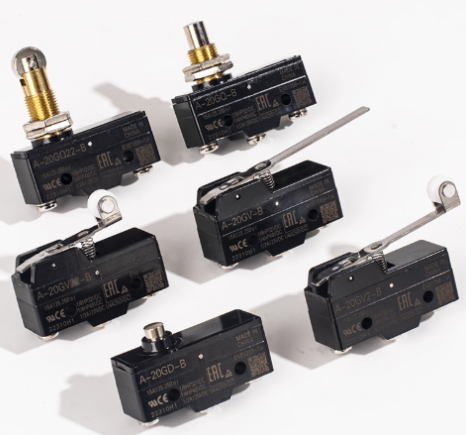
How to Extend the Service Life of Micro Limit Switches?
Understanding Mechanical vs. Electrical Life of Micro Limit Switches
What Determines the Lifespan of a Micro Limit Switch?
The lifespan of a micro limit switch depends mainly on two things: how many times it physically moves (mechanical life) and how well it handles electricity over time (electrical life). Looking at industry numbers, most switches can handle around 30 million physical movements before wearing out. But when electricity is involved, they tend to last much shorter - usually about 5 million operations. Why? Because repeated electrical current causes contacts to degrade through arcing and oxidation, according to AutomationDirect's 2023 report. Several important factors affect these lifespans, including...
- Actuation force: Excessive force accelerates wear on springs and levers
- Contact material: Silver alloys extend service life by 40% over base metals in high-cycle applications
- Current load: Inductive loads reduce electrical life by 15–30% compared to resistive loads due to voltage spikes
| Parameter | Mechanical Life Range | Electrical Life Range | Failure Mode |
|---|---|---|---|
| High-Cycle Apps | 10–30M cycles | 2–5M cycles | Spring fatigue, contact wear |
| Low-Cycle Apps | 30–50M cycles | 5–10M cycles | Environmental degradation |
Key Differences Between Mechanical and Electrical Endurance
The mechanical life of a component basically tells us how long it can last structurally when being operated without any load applied. Electrical endurance on the other hand is about how reliable something stays when actually handling electrical current. According to a study from Metrol-Sensor in 2023, around three out of four early failures happen because switches get used past their electrical capacity limits even though they might still be within mechanical specifications. This really emphasizes why getting the right switch for the specific load conditions matters so much in practical applications.
How Advancements in Contact Materials Improve Longevity
Modern micro limit switches use gold-plated bifurcated contacts, reducing contact resistance by 60% compared to traditional silver alloys. Innovations such as oxidation-resistant coatings have increased mean time between failures (MTBF) by 22,000 cycles, while self-cleaning contact designs help prevent carbon buildup in DC circuits, maintaining consistent conductivity over time.
Selecting by Rated Operational Cycles for Maximum Durability
For frequent-load applications, prioritize electrical life ratings over mechanical ones. According to AutomationDirect’s selection guidelines (2023), derate electrical life by 30% for capacitive loads and up to 50% for motor control to avoid contact welding. In low-frequency environments—fewer than 10 operations per day—mechanical life becomes the dominant factor in selection.
Matching Micro Limit Switches to Application Requirements
Common Mismatches Between Application Demands and Switch Ratings
According to ElectroMechanical Journal from 2023, around 42% of those early failures in micro limit switches happen because people install components that just aren't built for what they actually face on the factory floor. One big mistake folks make is picking switches that can't handle enough current for conveyor systems. These systems sometimes pull way more power than normal when starting up, sometimes going over 150% of what's considered standard operation. Another thing that trips up even experienced engineers? They forget about those nasty little surprises called inductive kickbacks in motor circuits. When contacts separate, these circuits throw out back EMF spikes that can hit six times the normal voltage level. Something most maintenance teams don't plan for but definitely need to watch out for.
Aligning Load Types and Current Levels with Switch Specifications
| Load Type | Characteristics | Selection Tips |
|---|---|---|
| Resistive | Stable current profile | Match exact voltage/current ratings |
| Inductive | Voltage spikes during shutdown | Use switches rated for 2’ steady-state amps |
| Capacitive | Inrush currents at activation | Select pre-charge circuit-compatible models |
For example, silver-nickel alloys perform well with 10A resistive loads but degrade 73% faster under inductive loads compared to tungsten-silver composites, per IEC 60664-1 standards.
The Role of Derating in Preventing Electrical Overload
Per IEC 60947-5-1, micro switches should be derated by 20–30% in high-temperature or high-vibration environments. A 10A-rated switch operating at 85°C in a pneumatic system should carry no more than 7A. This practice reduces contact erosion by 58% over 50,000 cycles, significantly extending service life.
Smart Sensing and Load Monitoring to Avoid Overuse
The latest micro limit switches connected to IoT networks come equipped with built-in current sensors that track contact wear based on how resistance changes over time. When this resistance goes above 15 milliohms, it's basically a red flag for maintenance crews to check things out. Factory automation setups are starting to use machine learning models that look at how often these switches get activated, what the humidity levels are around them, and how long they handle peak currents before figuring out when replacements will be needed. The predictions aren't perfect but hit around 89% accuracy according to field tests. What really matters though is that these smart systems cut down on overload failures by about two thirds in packaging equipment. They do this by tweaking load limits automatically whenever machines run continuously past 75% of their rated capacity, which helps prevent unexpected breakdowns during production runs.
Protecting Micro Limit Switches from Harsh Environmental Conditions
How Temperature, Humidity, and Dust Affect Performance
Operating outside the standard temperature range (-40°C to 85°C) accelerates material fatigue. Exposure to 85% relative humidity reduces contact lifespan by 34%, according to the 2024 Harsh Environment Switches Market Report (Ponemon 2024). Dust accumulation increases actuator friction by up to 29% over 10,000 cycles, leading to inconsistent triggering in industrial settings.
IP Ratings and Material Selection for Environmental Resistance
When selecting switches for harsh conditions, go with IP67 or better rated options if dust and moisture are concerns. Food processors have found that IP69K rated switches fail about 63 percent less often when subjected to those intense pressure washes they need after production runs. Along coastlines where salt air eats away at equipment, switching to marine grade stainless steel housing makes a big difference too. These special materials stand up to corrosion roughly half as much as regular alloys do over time. Dusty industrial settings benefit from hermetically sealed components paired with self cleaning actuators. This combination cuts down on dirt getting inside by nearly ninety percent according to field tests, which means less downtime for maintenance crews.
Benefits of Hermetically Sealed Micro Limit Switch Designs
Hermetically sealed, nitrogen-filled switches eliminate exposure to oxygen and moisture. A 2023 study found these designs maintain contact resistance below 50 mOhms for over 1 million cycles in automotive engine compartments. In pharmaceutical cleanrooms, they reduce failure rates by 78% compared to vented models.
Using Protective Enclosures and Coatings in Extreme Environments
In mining and oil/gas sectors, epoxy-coated switches paired with polycarbonate enclosures withstand chemical exposure across pH 2–12. Field tests confirm that conformal coatings on internal PCBs extend service intervals by 40% in aerospace systems subjected to thermal cycling at altitude.
Ensuring Proper Installation and Actuator Alignment
Why Misalignment Causes Premature Wear and Failure
Misalignment creates uneven contact forces, accelerating wear. An IEEE 2023 study found misaligned switches experience up to 83% faster contact erosion than properly aligned units. Angular deflection induces lateral stress that deforms spring mechanisms, while vertical misalignment disrupts consistent actuation force—both directly shortening mechanical life.
Optimizing Actuator Position and Operating Force
Use precision tools like laser alignment systems to maintain ±0.5° deviation from the ideal engagement path. Research from 2022 shows that calibrating operating forces between 0.49–0.78 N reduces wear by 30%. Real-time force sensors integrated with servo-controlled actuators now allow dynamic adjustments during operation, ensuring optimal performance.
Following Manufacturer Mounting Tolerances for Reliability
Adhere strictly to bolt torque specifications (±10%) and ensure mounting surface flatness (<0.1 mm/mm variation) to prevent deformation under vibration. A 2024 analysis revealed that 72% of premature failures stemmed from non-compliant installations ignoring these tolerances. Modern verification protocols combine torque wrenches with digital shimming tools to validate alignment before commissioning.
Implementing Preventive Maintenance and Inspection Routines
How Contamination Leads to Increased Contact Resistance
Dust, oil, or moisture on contacts forms insulating layers, increasing resistance and causing voltage drops up to 14%. This parasitic resistance generates localized heat, accelerating oxidation and erosion. Operators in food processing or metalworking facilities report switch failures occurring 43% faster than in cleanroom environments (Material Degradation Report 2023).
Safe Cleaning Techniques for Micro Limit Switch Contacts
Clean contacts using 99% isopropyl alcohol and anti-static brushes. Follow a three-step process:
- Power down and isolate the circuit
- Apply solvent to lint-free swabs (never spray directly)
- Wipe parallel to contact surfaces to avoid pitting
This method reduces contact resistance by 82% compared to compressed air alone, according to leading industrial studies.
Scheduled Inspections Based on Operating Environment Severity
| Environment Class | Inspection Frequency | Key Checkpoints |
|---|---|---|
| Mild (offices) | 18-month intervals | Actuator alignment, terminal tightness |
| Harsh (foundries) | 6-week cycles | Seal integrity, arc chute condition, insulation resistance |
Facilities using this tiered inspection approach report 31% fewer unplanned downtime events.
Predictive Maintenance Using Performance Logging and Calibration
Micro limit switches equipped with IoT monitoring capabilities now track important operational parameters like variations in actuation force and how long contacts bounce after activation. When maintenance crews compare these readings against manufacturer specifications, they spot signs of spring fatigue well over 200 operating cycles before actual failure occurs. This early warning allows technicians to plan calibrations around scheduled downtime periods instead of emergency situations. Contacts can also be replaced when wear reaches about 85%, which prevents sudden system failures that could shut down entire production lines. Facilities implementing these data monitoring strategies typically see their equipment last nearly twice as long between major repairs compared to those relying on traditional reactive maintenance methods.