EN
EN



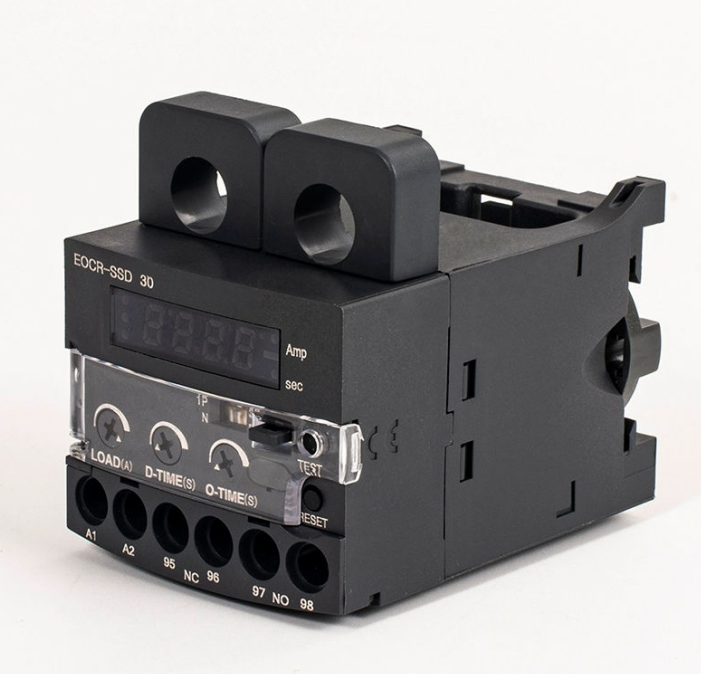
How Phase Sequence Relay Detects and Prevents Reverse Phase Order
Core Operating Principle: Voltage Phasor Rotation Analysis
Phase sequence relays keep an eye on how voltage phasors spin around in three phase systems by looking at those angle relationships between phases. They basically tell the difference between the right order (like A-B-C) versus when things get flipped around (C-B-A instead). When everything spins clockwise, that means business as usual. But if it starts going counter clockwise? That's bad news bears because it means the phase order has gone wrong and needs to be shut down fast. Why does this matter so much? Well, according to Electrical Safety Journal from last year, almost 8 out of 10 industrial motor breakdowns actually come from problems related to phase issues. These relays work with either old school electromagnets or newer solid state tech to sample those voltage patterns at least 200 times during each power cycle. This lets them catch problems super quick before they cause real damage.
Internal Logic: Zero-Crossing Timing, Phase Angle Comparison, and Latching Outputs
The relay’s internal logic executes three coordinated stages:
- Zero-Crossing Detection: Precisely timestamps each phase’s transition from negative to positive voltage.
-
Phase Angle Comparison: Computes time delays between successive phases to identify rotational direction. For example:
Phase Pair Normal Sequence Delay Reverse Sequence Delay A to B 5.5 ms 10.5 ms B to C 5.5 ms −10.5 ms - Latching Outputs: Issues a trip signal within 15 ms if measured delays deviate by more than ±2 ms from expected values. The output remains latched until manually reset—preventing automatic re-energization into unsafe conditions and protecting equipment from bearing stress, pump cavitation, or compressor oil starvation.
Critical Protection Against Motor Damage and Process Disruption
Reverse Rotation Risks in Induction Motors, Pumps, and Compressors
When the power phases get out of order, induction motors, pumps, and compressors start spinning backwards, something that happens quite frequently during routine maintenance work, when utilities switch sources, or when there are problems with the electrical grid. What follows is pretty damaging mechanically speaking. Bearings tend to lock up because they're not designed for this kind of stress. The impellers inside pumps wear away faster from what's called cavitation effects, while seals just give way completely since the pressure differences aren't what they should be. For pumps specifically, this backward flow means they run dry and suffer from sudden hydraulic shocks. Compressors face their own issues too - they lose lubrication and the timing of valves gets all messed up. Motors that keep running in reverse actually get hotter by about 15 to 20 percent because the cooling fans aren't working properly anymore, which speeds up how fast the insulation breaks down. According to industry reports, these phase problems are responsible for roughly a quarter of all motor failures in systems that handle fluids. And here's something interesting: even a small voltage imbalance of just 2% can lead to serious mechanical stress within hours if nobody notices it happening.
Real-World Impact: Case Study on Automotive Assembly Line Downtime
One big car factory lost around $740k last year according to industry reports when they didn't catch a phase reversal problem during their substation work. The conveyor belts started going backwards, which caused all sorts of issues with the robotic welders and actually snapped several drive chains. This mess led to an 11 hour shutdown that stopped them from making about 2,300 cars. Looking back at what happened, experts say if they had installed a phase sequence relay it could have shut down the power in just 0.1 seconds before things got worse. These relays can be connected to PLC systems so machinery stays off until everything checks out properly. That simple fix would have saved them tons of money since production stops cost roughly $24k every single hour in the auto business. Plus it prevents other problems too like motor windings burning out from running backwards for too long and dangerous situations where hydraulic pumps might explode.
| Protection Method | Phase Sequence Relay | MPCB (Motor Protection Circuit Breaker) |
|---|---|---|
| Primary Role | Prevents reverse rotation | Guards against overloads and short circuits |
| Response Time | <100 ms | 200 ms−2 seconds |
| Critical Failure Prevented | Mechanical destruction | Thermal damage |
Combining phase sequence verification with current-based protection reduces motor replacement costs by 37% in mission-critical processes.
Integration of Phase Sequence Relay into Modern Protection and Control Systems
Coordination with Circuit Breakers, PLCs, and Auto-Reclosing Schemes
When phase sequence relays detect an incorrect phase order, they work hand in hand with circuit breakers to cut off power almost instantly, stopping equipment damage before it happens. These devices connect to PLC systems using digital input/output modules, which allows for automatic actions like shutting down motors in stages, closing valves that are interlocked together, or escalating alarms across production lines. For auto-reclosing situations, the relays basically serve as safety gates that stop any attempt to restore power until the correct phase sequence has been confirmed. This kind of coordination keeps things running smoothly on factory floors, preventing those nasty reverse rotations that can wreck industrial pumps and keeping compressors ready for action when needed, all thanks to carefully timed restart procedures that prevent sudden failures during critical operations.
SCADA and Digital Substation Integration for Remote Monitoring and Alarming
Digital substations rely on phase sequence relays to send real time voltage phasor information using IEC 61850 GOOSE and SV messages directly to SCADA systems. When something goes wrong, operators get immediate alerts along with clear visuals showing phase angles, which lets them jump in fast before problems snowball into bigger issues. The system also helps with predictive maintenance work. If there are trends showing voltage imbalances or if equipment keeps coming close to tripping, this triggers scheduled checks ahead of schedule. For places like water treatment facilities and hospitals where power reliability matters most, remote monitoring cuts down how often staff need to physically check equipment. At the same time, it keeps everything compliant with NFPA 70E standards regarding arc flash safety because all these activities leave an audit trail that can be reviewed anytime.
Compliance, Standards, and Application in Critical Infrastructure
International safety standards such as IEC 60204-1 for machinery electrical equipment and NEC Article 430.83(A)(2) about motor circuits actually demand these phase sequence relays because they monitor phases to stop dangerous reverse rotations in critical places. Think about hospitals needing them so vital ventilators and generator cooling fans spin the right way. Data centers install them too just to keep those chilled water systems running properly. Power plants put them on things like auxiliary feedwater pumps and emergency diesel generators as well. When facilities don't follow these rules, disaster happens fast. Imagine what would occur if fire pumps started spinning backward or chillers at server farms failed suddenly. Entire operations could shut down in mere minutes. That's why regulations insist on checking these relays once a year according to NFPA 70E guidelines. The tests look at how accurate they are, their timing response, and whether they latch properly. This helps maintain resilient infrastructure while staying compliant with all those important standards.