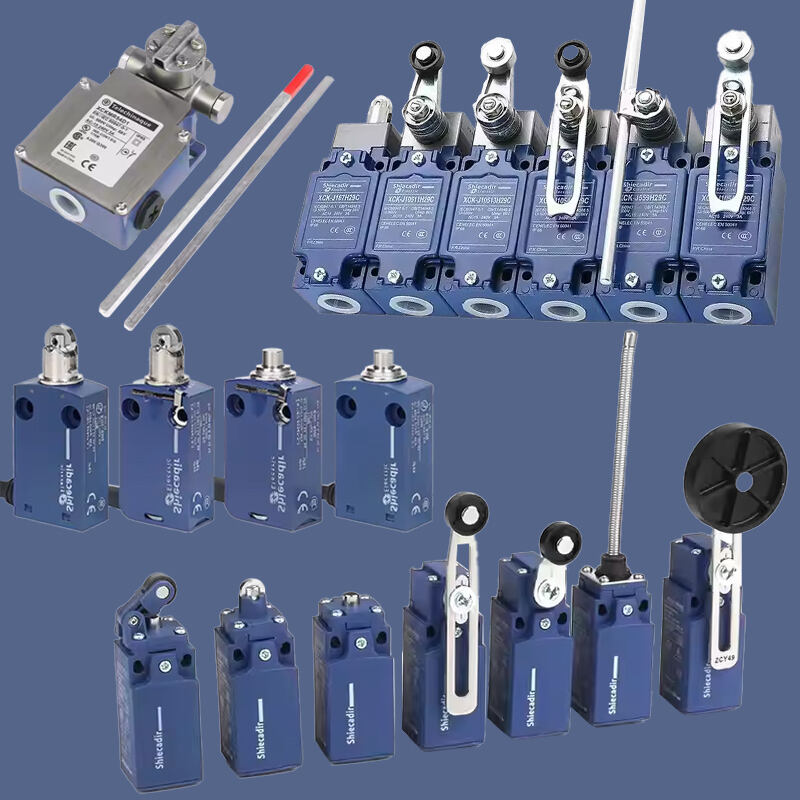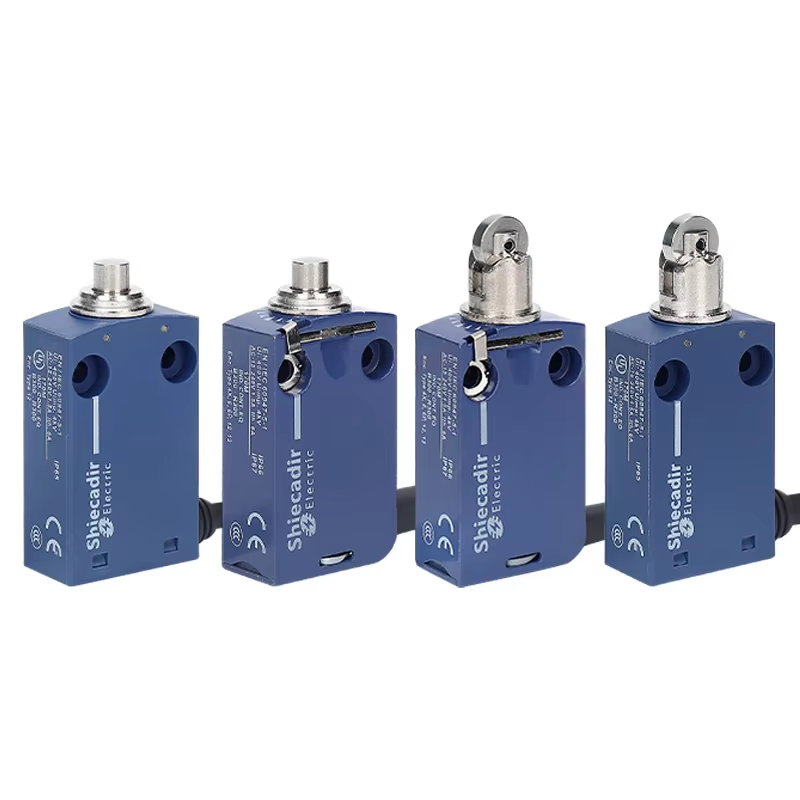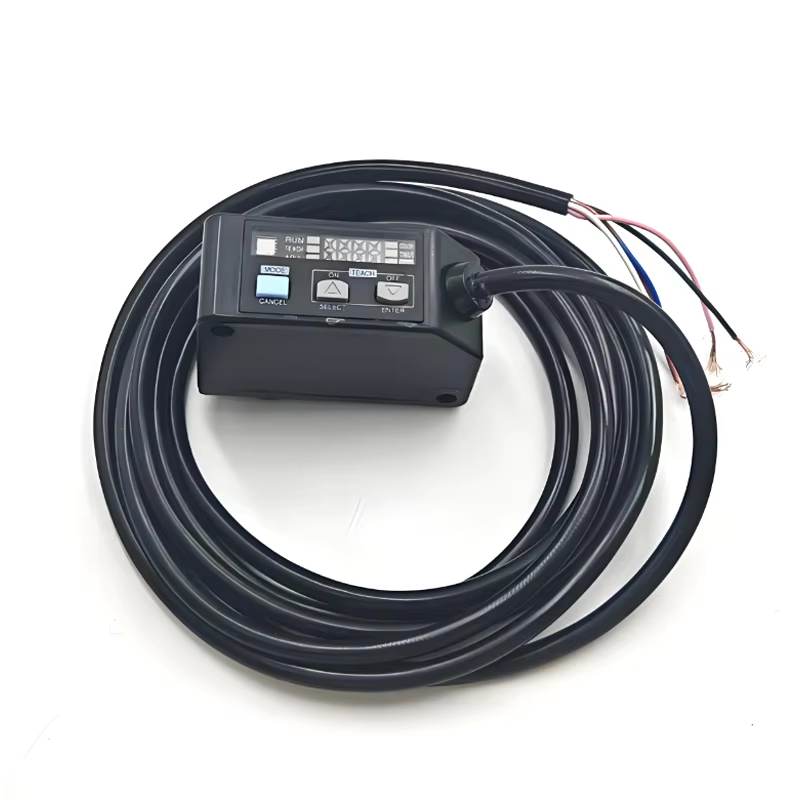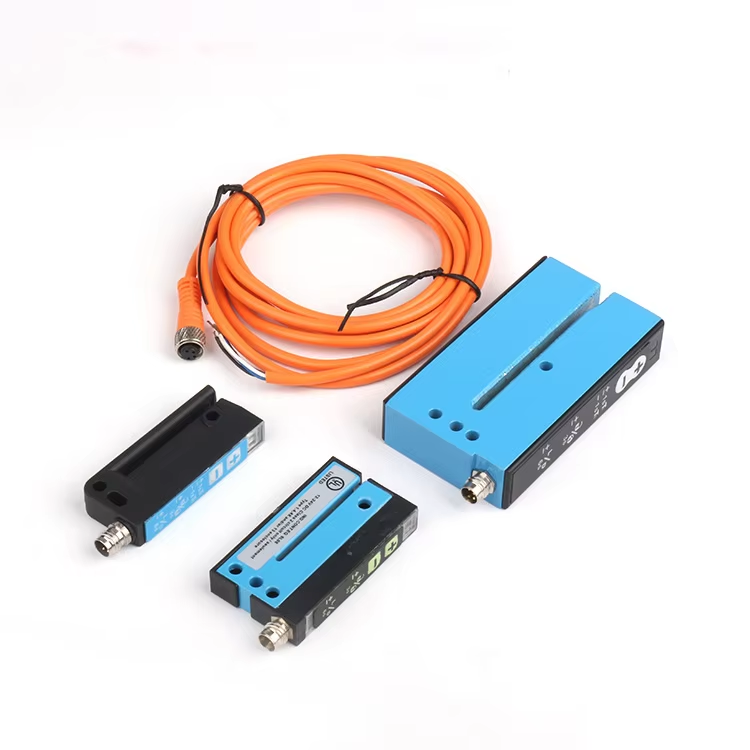
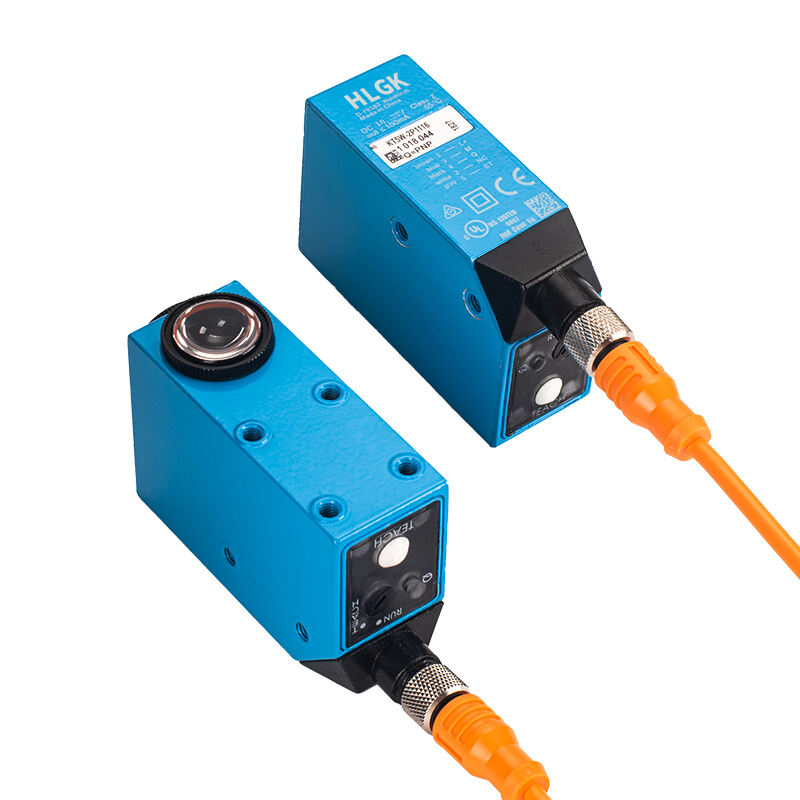
Metal sensors are essential devices in industrial automation, designed to detect the presence, position, and characteristics of metallic objects in various environments. These sensors, including inductive, capacitive, and eddy-current types, are widely used in manufacturing, automotive, and packaging industries to enhance efficiency and safety. For example, in automotive assembly lines, metal sensors ensure precise component placement, reducing error rates by up to 30% and improving production throughput. According to a 2023 market report by Grand View Research, the global metal sensor market was valued at approximately USD 2.8 billion in 2023 and is projected to grow at a compound annual growth rate (CAGR) of 6.8% from 2024 to 2030, reaching around USD 4.2 billion by 2030. This growth is driven by increasing automation in emerging economies and the adoption of Industry 4.0 technologies. A recent industry event in 2023 involved the launch of an advanced IoT-enabled metal sensor by a leading manufacturer, which features real-time data analytics and cloud connectivity for predictive maintenance. Future trends indicate a shift toward miniaturization and integration with artificial intelligence (AI), enabling adaptive detection and reduced false alarms. Industry surveys, such as one conducted by MarketsandMarkets, show that over 60% of industrial facilities plan to upgrade to smart metal sensors by 2025, highlighting the focus on energy efficiency and sustainability. Additionally, the rise of electric vehicles and renewable energy systems is fueling demand for high-precision metal sensors in battery monitoring and component verification, with data indicating a 25% increase in sensor deployments in these sectors since 2022.