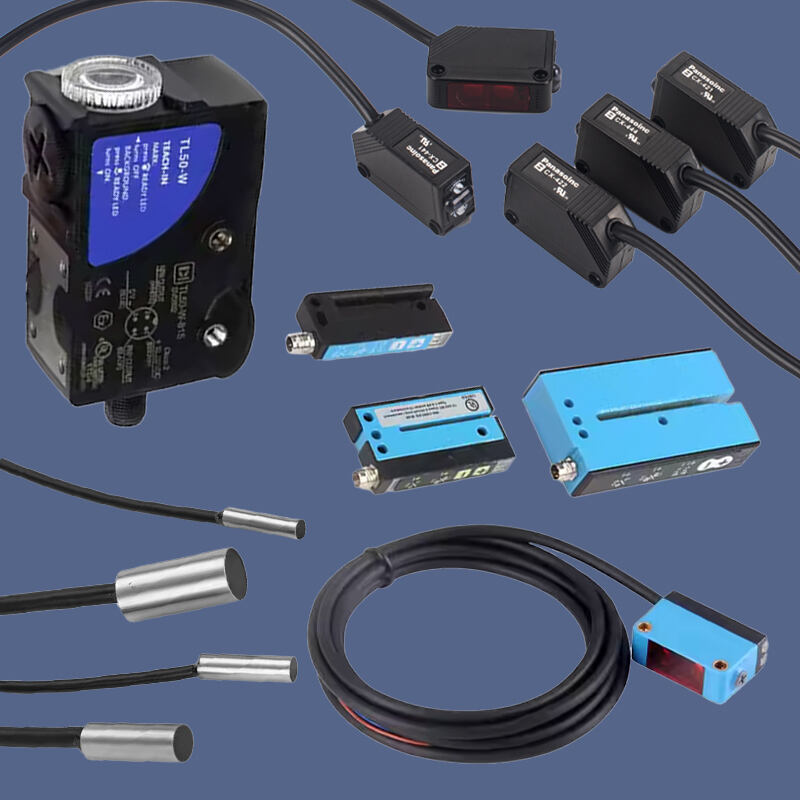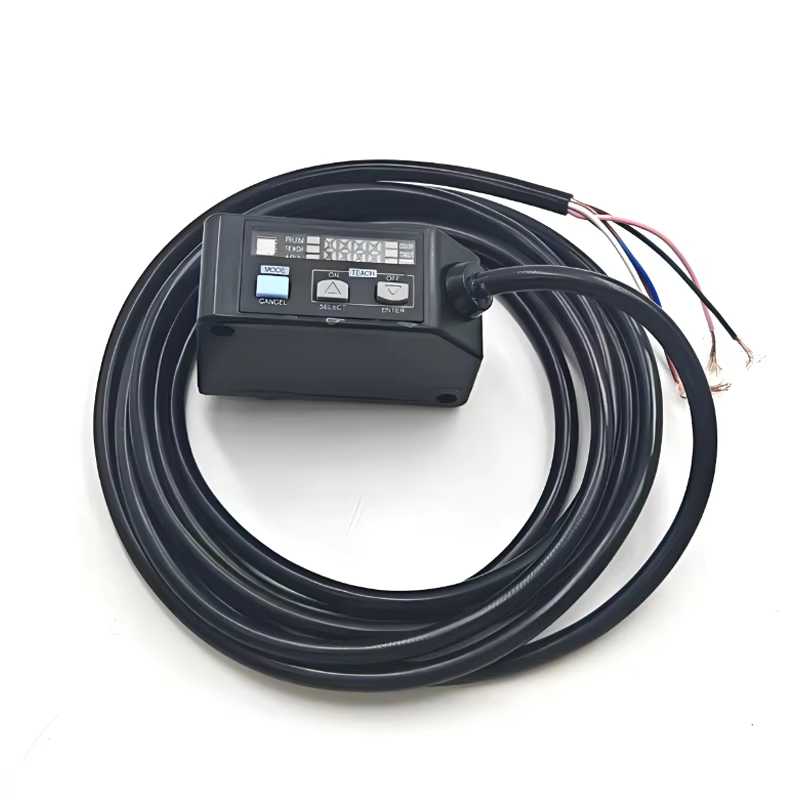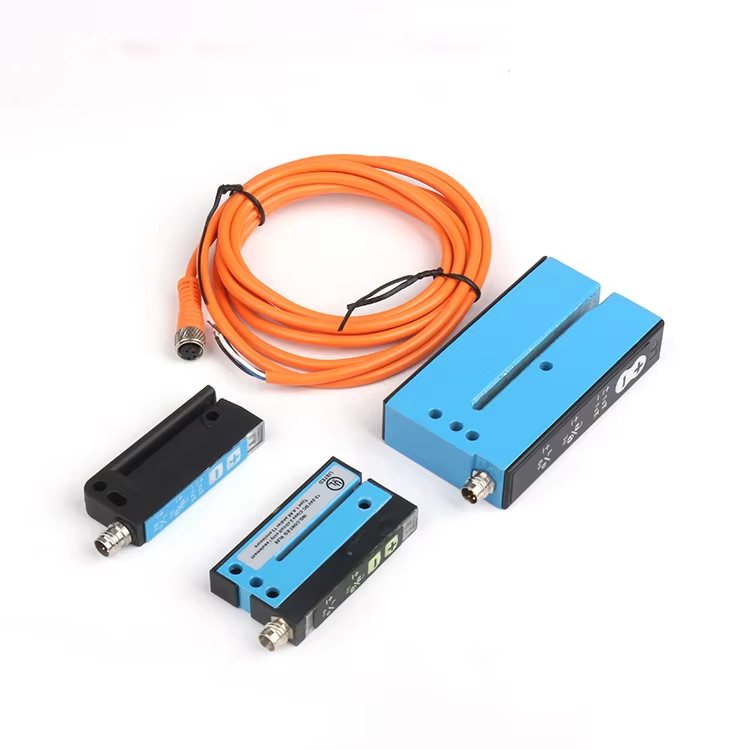
Within the automotive manufacturing ecosystem, metal sensors are fundamental components that enhance both operational safety and automation precision. They are extensively deployed in applications ranging from engine management and transmission systems to safety-critical functions like brake monitoring and collision avoidance. Hall-effect sensors, for instance, are crucial for detecting crankshaft and camshaft positions, enabling optimal engine timing and fuel efficiency. The proliferation of electric and hybrid vehicles has further amplified their role, where they are used to verify the secure placement of battery modules and detect the position of charging port covers. Data from a 2024 Statista report on automotive electronics estimates the global market for automotive metal sensors at USD 1.3 billion in 2023, with an anticipated CAGR of 8.5% until 2030. A recent technological breakthrough occurred in 2023 when a European automotive supplier unveiled a new line of ultra-compact, high-temperature-resistant inductive sensors designed for direct integration into electric vehicle powertrains, capable of withstanding temperatures above 150°C. The forward-looking trend involves the fusion of metal sensing with vehicle-to-everything (V2X) communication systems to enable smarter traffic flow management and the incorporation of nanomaterials to achieve unprecedented levels of sensitivity and durability. An industry-wide survey conducted by Automotive News in 2024 projected that more than 55% of new vehicle platforms launched by 2026 will incorporate advanced metal sensing systems as a core part of their autonomous driving assistance systems (ADAS). The rapid growth of shared mobility services and electric vehicle fleets is also a significant driver, with market analysts predicting a 35% increase in the deployment of these sensors for fleet telematics and maintenance monitoring by the year 2025.