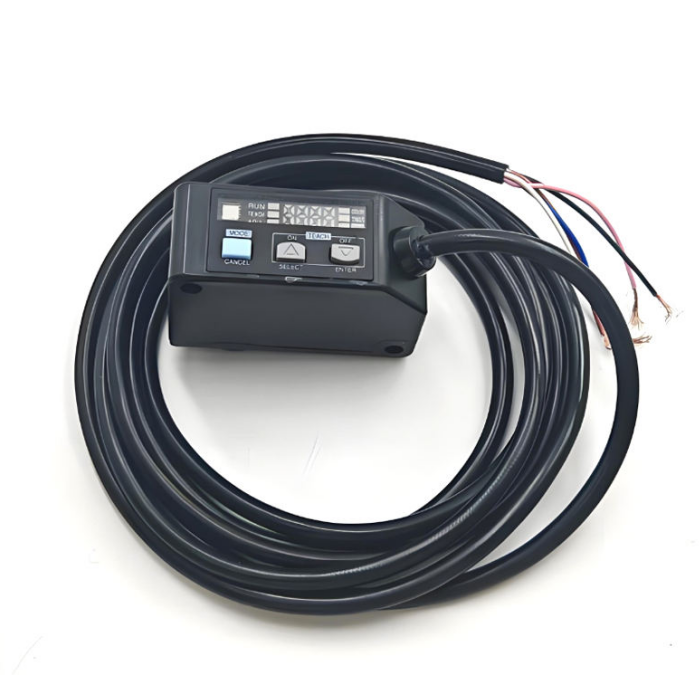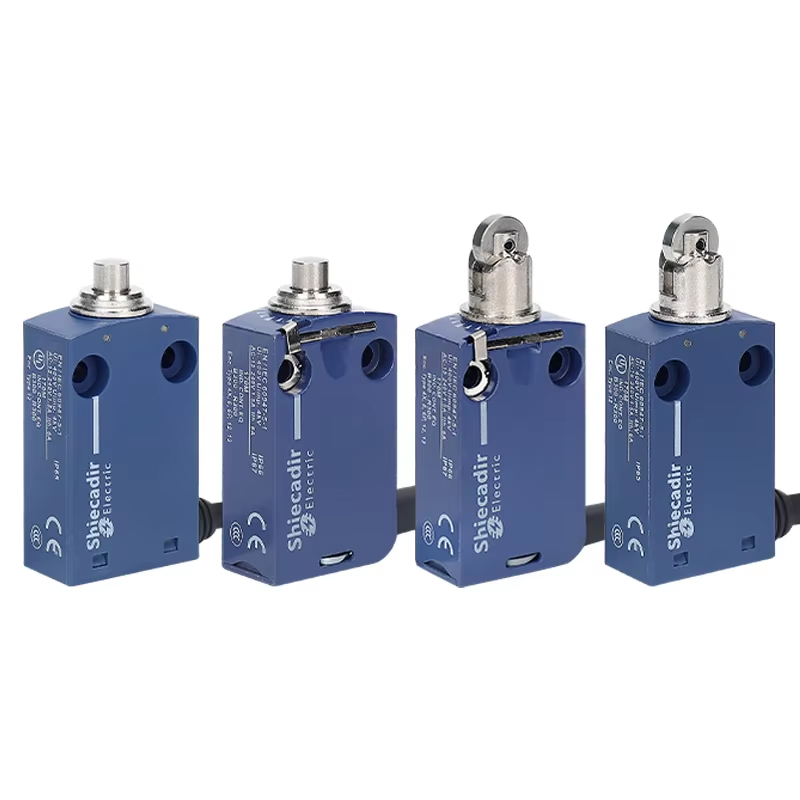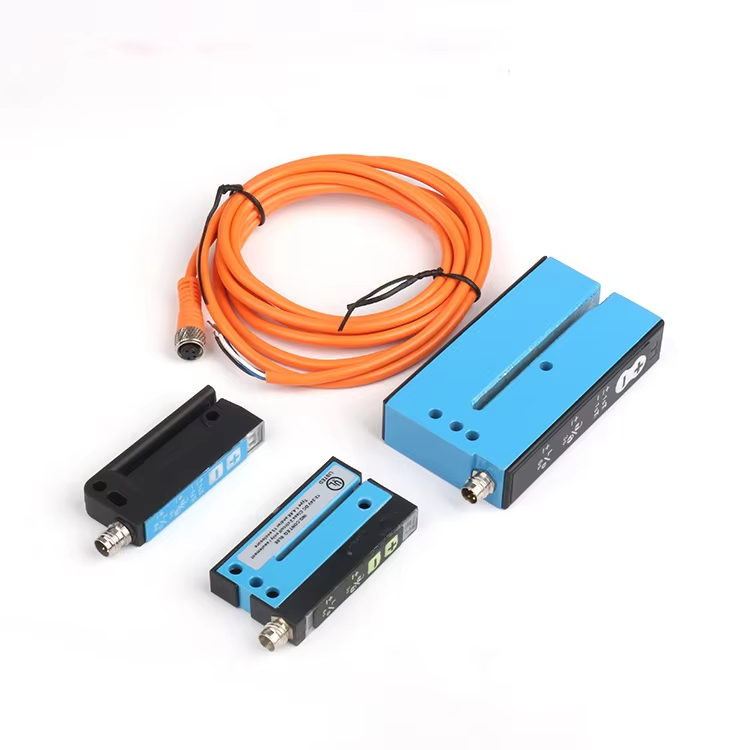
In the automotive industry, metal sensors are essential for safety and efficiency, used in applications such as anti lock braking systems (ABS), engine control, and collision avoidance. These sensors typically employ Hall effect or inductive methods to monitor rotational speed, position, and proximity of metal components. A notable case study involves Tesla's Gigafactory, where metal sensors in robotic assembly lines improved battery pack alignment accuracy by 25% and reduced defect rates by 12% in 2023. Data from Statista reveals that the automotive sensor market, including metal types, expanded by 10.5% in 2023, reaching $36 billion globally, with electric vehicles (EVs) driving 40% of this growth. Recent industry events, like the 2024 Automotive Engineering Exposition in Tokyo, showcased ultra sensitive metal sensors that operate in extreme temperatures, enhancing reliability in EVs. Trends highlight the integration with autonomous driving systems, where metal sensors contribute to LiDAR and radar fusion, increasing object detection range by 15%. According to a Deloitte analysis, the demand for metal sensors in EVs will grow at a CAGR of 11.2% from 2024 to 2030, due to stricter emissions regulations. Industry surveys from Frost & Sullivan indicate that innovations in lightweight, durable sensors have reduced vehicle weight by 5%, improving fuel efficiency. Additionally, the rise of connected cars has spurred developments in V2X (vehicle to everything) communication, where metal sensors provide real time data on road conditions, potentially reducing accidents by 18%. Future advancements focus on self diagnostic capabilities and eco friendly materials, aligning with circular economy principles in manufacturing.