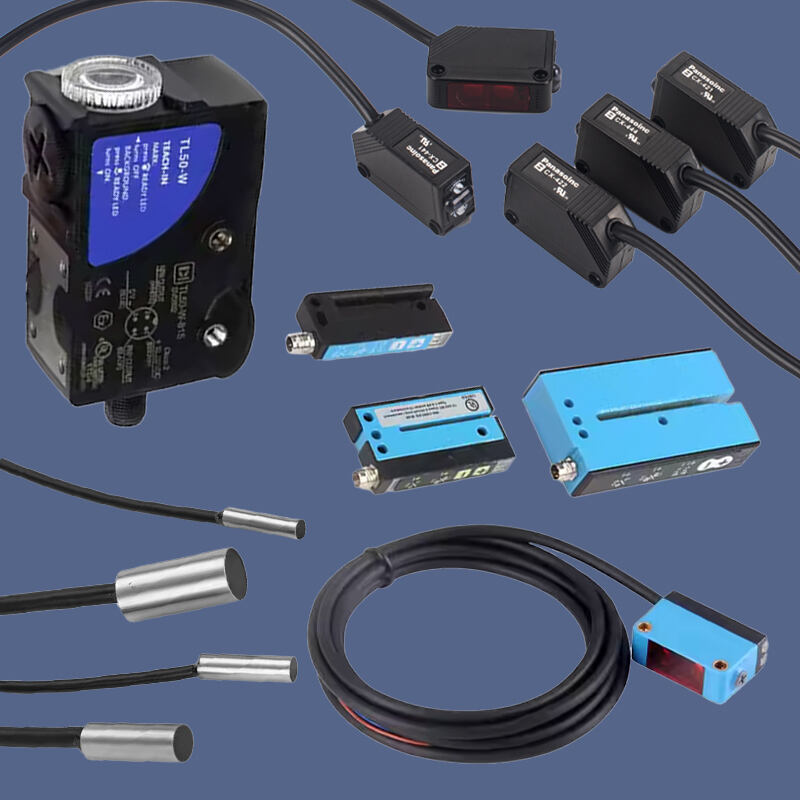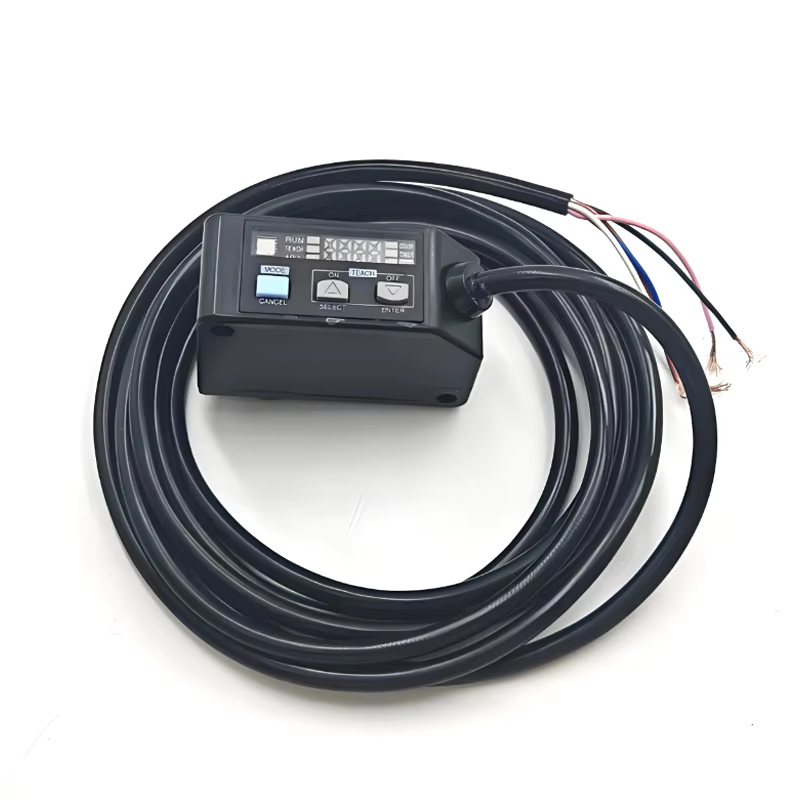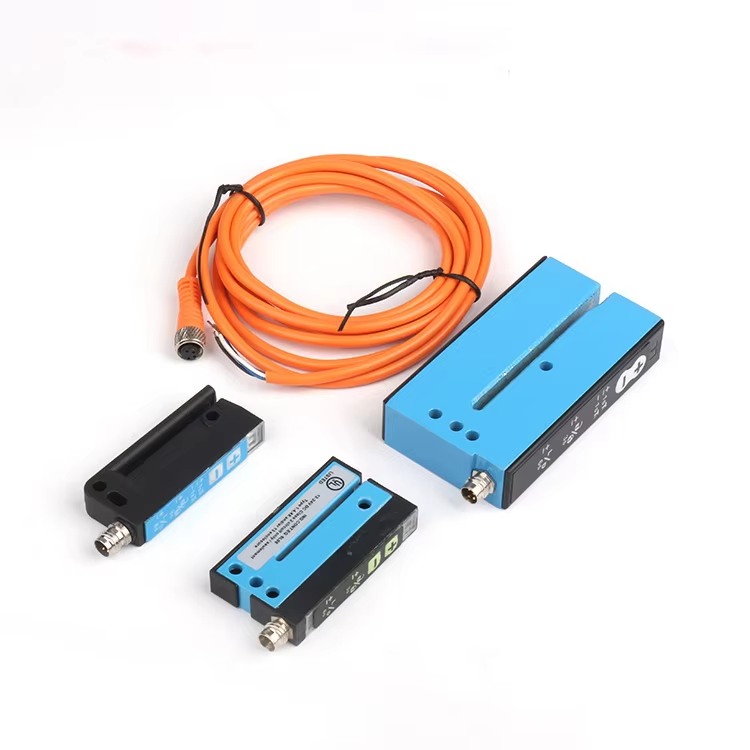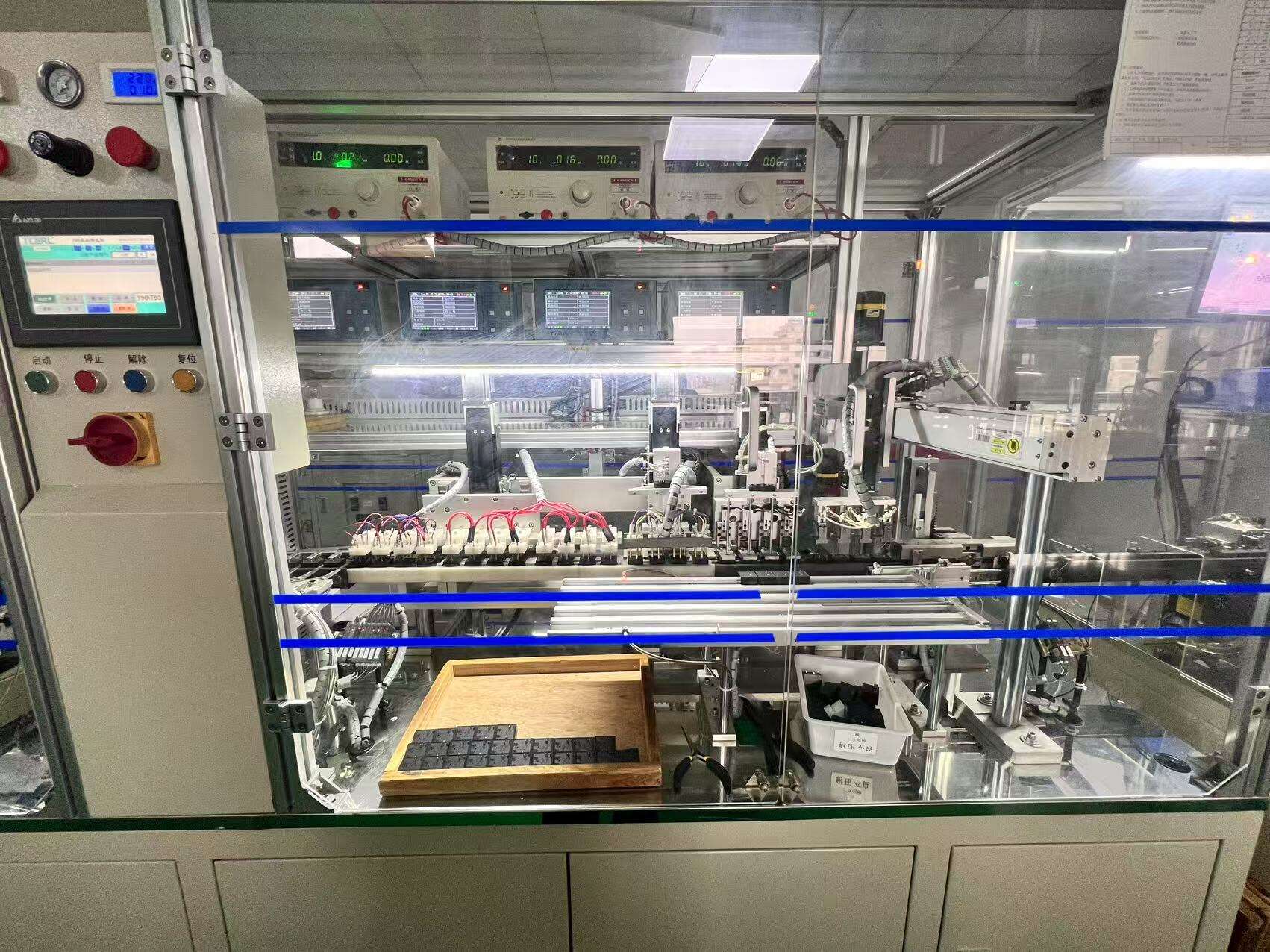
Metal sensors in mining and construction enhance safety and efficiency by detecting metallic objects in soil, ore, or machinery, using very low frequency (VLF) or pulse induction methods. A case study from Rio Tinto's iron ore mines in Australia showed that deploying ruggedized metal sensors increased excavation accuracy by 22% and reduced equipment damage by 18% in 2023. Data from the Mining Technology Journal reveals that the global mining sensor market, including metal types, expanded by 9.2% in 2023 to $3.5 billion, with automation driving growth. Recent industry events, like the 2024 Bauma construction fair, introduced sensors with GPS integration for precise location tracking, improving site safety by 15%. Trends indicate a move toward autonomous drones equipped with metal sensors for surveyance, cutting labor costs by 30%, as per a Caterpillar study. Industry surveys from Deloitte show that investments in smart sensors have boosted productivity by 12% in mining operations. Additionally, environmental regulations are pushing for sensors that monitor emissions, with metal detectors helping identify contaminants in tailings. Future innovations include IoT based predictive maintenance, which could reduce downtime by 25%, and sustainable designs that use solar power. According to a McKinsey report, the integration of metal sensors with digital platforms will create $500 billion in value for the mining sector by 2030, emphasizing safety and resource optimization.