Photoelectric Sensors for Industrial Automation | Reliable Detection

Get a Free Quote

Our representative will contact you soon.
Email
Mobile/WhatsApp
Name
Company Name
Message
0/1000
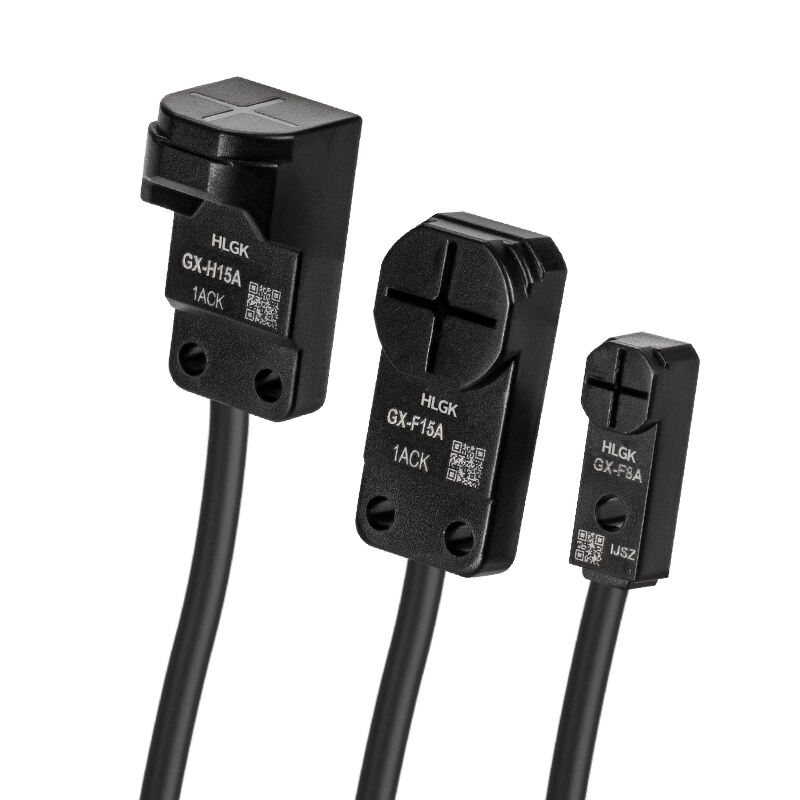
Photoelectric Sensor: Optical-to-Electrical Signal Converter for Object Detection

Photoelectric Sensor: Optical-to-Electrical Signal Converter for Object Detection

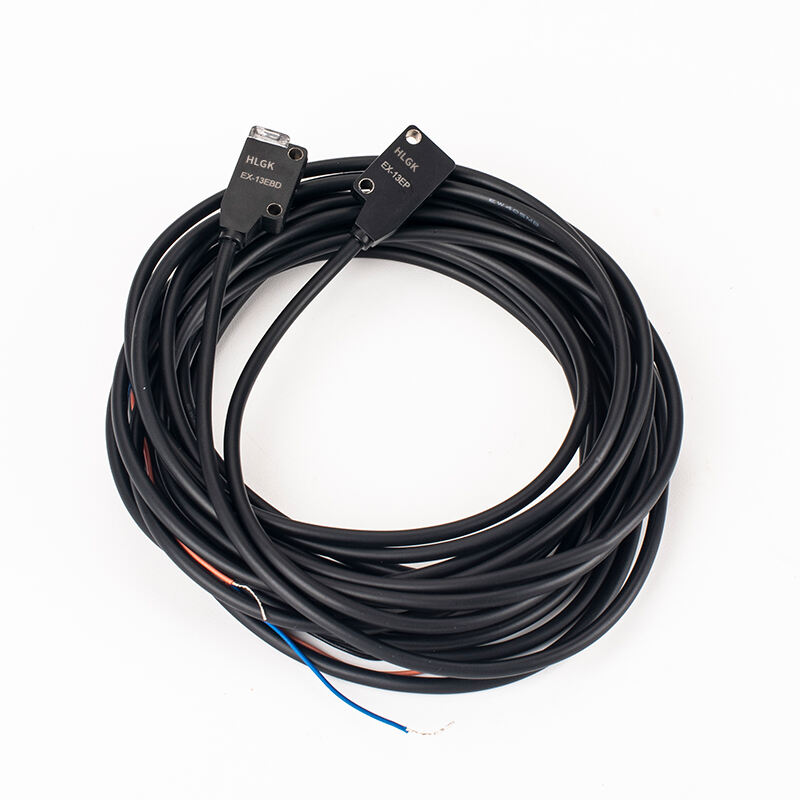
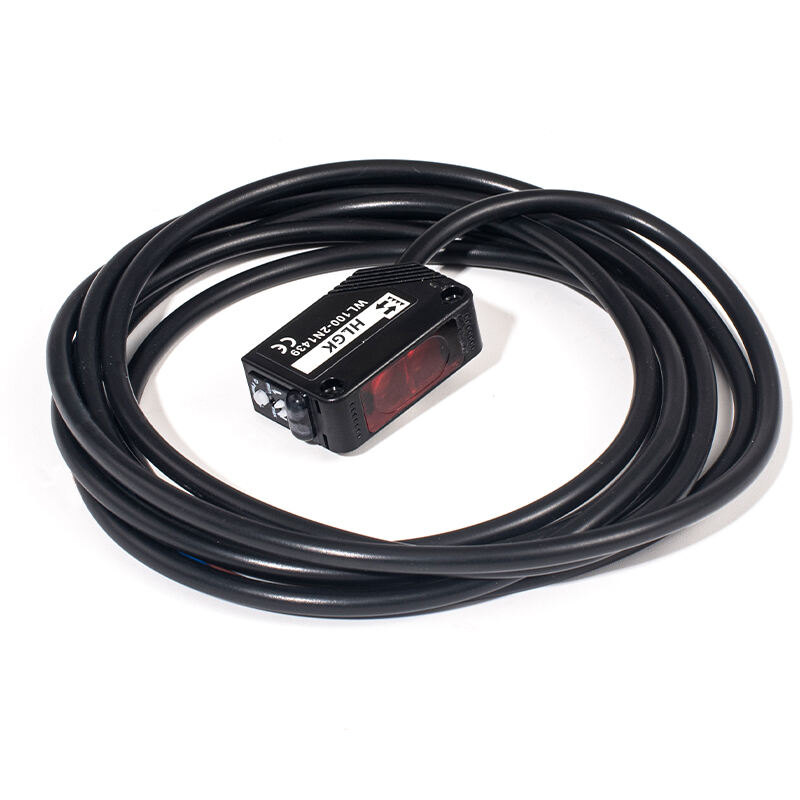
The photoelectric sensor uses the photoelectric effect to convert light signals into electrical signals, detecting object presence, position, shape, or color. It consists of a transmitter (emitting light) and a receiver (detecting reflected/scattered light), suitable for non-contact detection in automated production lines, logistics sorting, and security systems. Applications include counting objects, detecting transparent materials, or monitoring conveyor belt positions, enhancing automation efficiency and precision.
Get A Quote

Advantages

Non-Contact Sensing Technology

Detects objects without physical contact, eliminating wear and tear, suitable for fragile or high-speed moving items (e.g., glass, electronic components).

Multiple Sensing Modes

Provides opposed (through-beam), retroreflective, and diffused (proximity) modes for diverse applications (e.g., transparency detection, color contrast).

High Immunity to Ambient Light

Uses modulated infrared light to filter out sunlight and fluorescent light interference, ensuring stable operation in harsh lighting conditions.

Related products

A photoelectric switch sensor features light intensity fluctuations into electrical signal and switching actions. There are three types: diffuse (the target reflects the light back to the source), retroreflective (the light emitter and receiver are in one unit with a reflector), and through-beam (the emitter and receiver are separate devices). For logistics package detection and woodworking saw blade safeties, it is adjustable to different detection levels (light received – light on, light not received – dark on) to meet various application needs.
Frequently Asked Questions

How does a photoelectric sensor detect objects without contact?

A photoelectric sensor uses the photoelectric effect, with a transmitter emitting light and a receiver detecting reflected or transmitted light. This non-contact technology eliminates wear and tear, making it suitable for fragile or high-speed moving items like glass or electronic components.
The photoelectric sensor offers an adjustable detection range from 0 to 50 meters, adapting to wide conveyor belts or large-scale equipment. This flexibility allows use in both short-range proximity sensing and long-range object detection scenarios.
The photoelectric sensor offers three primary sensing modes: opposed (through-beam), retroreflective, and diffused (proximity).
The photoelectric sensor uses modulated infrared light to filter out interference from sunlight or fluorescent lighting, ensuring stable detection in harsh lighting conditions. This high immunity to ambient light makes it reliable for outdoor or brightly lit industrial environments.
With an IP67 protection grade, the photoelectric sensor features a fully sealed housing that resists water jets and dust. This makes it suitable for washdown environments in food processing, packaging, and automotive manufacturing, where frequent cleaning or dusty conditions are common.
faq

Related Articles

Huilong Industrial Control Tells You: What is a Solid State Relay

27

Feb

Huilong Industrial Control Tells You: What is a Solid State Relay

View More
Our Company's Relays, Limit Switches, Sensors, etc. all Meet CE Standards

27

Feb

Our Company's Relays, Limit Switches, Sensors, etc. all Meet CE Standards

View More
Energy - Saving Intermediate Relays: A Green Solution

23

Apr

Energy - Saving Intermediate Relays: A Green Solution

Understanding Energy-Saving Intermediate Relays and Their FunctionalityWhat Are Energy-Saving Intermediate Relays? Intermediate relays that save energy work as electronic components in electrical systems, helping cut down on power usage when switchin...
View More
Working Principle of Emergency Stop Safety Rope Switch

23

Apr

Working Principle of Emergency Stop Safety Rope Switch

Core Components and Working Mechanism of Emergency Stop Safety Rope Switches Basic Components: Rope, Actuator, and Contacts Safety rope switches at the top of emergency systems are key parts made up basically of three things: the actual rope itself,...
View More

Customer Reviews

Li Wei
High Sensitivity for Transparent Objects

"In our glass manufacturing line, detecting transparent sheets was a challenge until we switched to these photoelectric sensors. The opposed mode works flawlessly, even with ultra-thin glass (0.5mm), by sensing the slightest interruption in the light beam. The adjustable sensitivity dial lets us fine-tune for different glass textures, and the IP67 rating protects them from the high-moisture environment near our cooling stations. No more missed detections—critical for our quality control."

Emily Johnson
Reliable Photoelectric Sensor for Diverse Applications

We've used this photoelectric sensor in multiple projects, and it never disappoints. It effectively converts light signals to electrical signals with fast response time. The durable design withstands harsh conditions, making it suitable for various industries. A trustworthy choice for precise detection tasks.

Get a Free Quote

Our representative will contact you soon.
Email
Name
Company Name
Message
0/1000
IP67 Protection Grade

IP67 Protection Grade

Fully sealed housing resists water jets and dust, suitable for washdown environments in food processing, packaging, and automotive manufacturing.