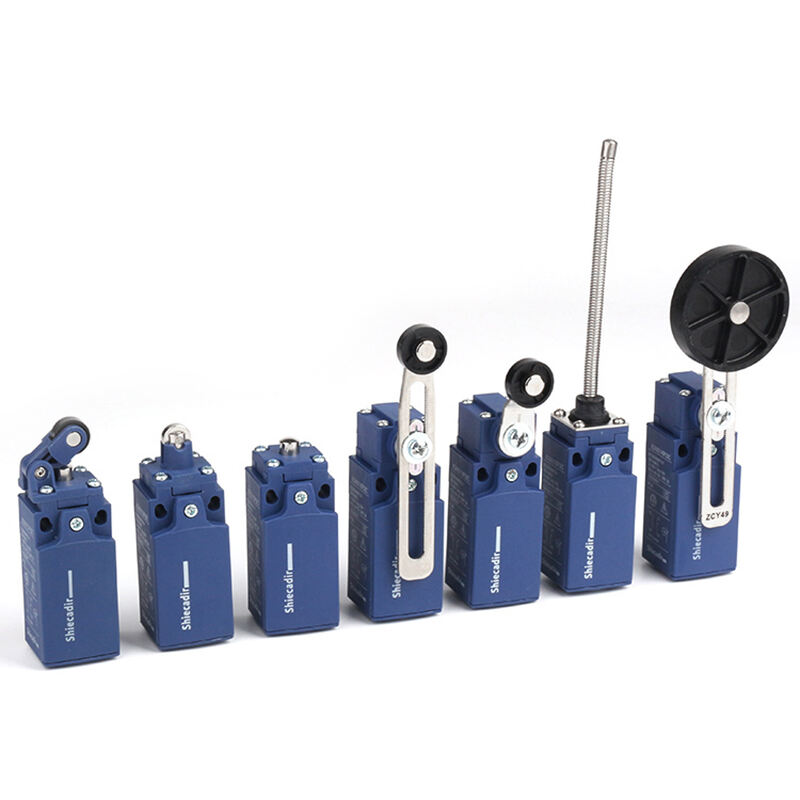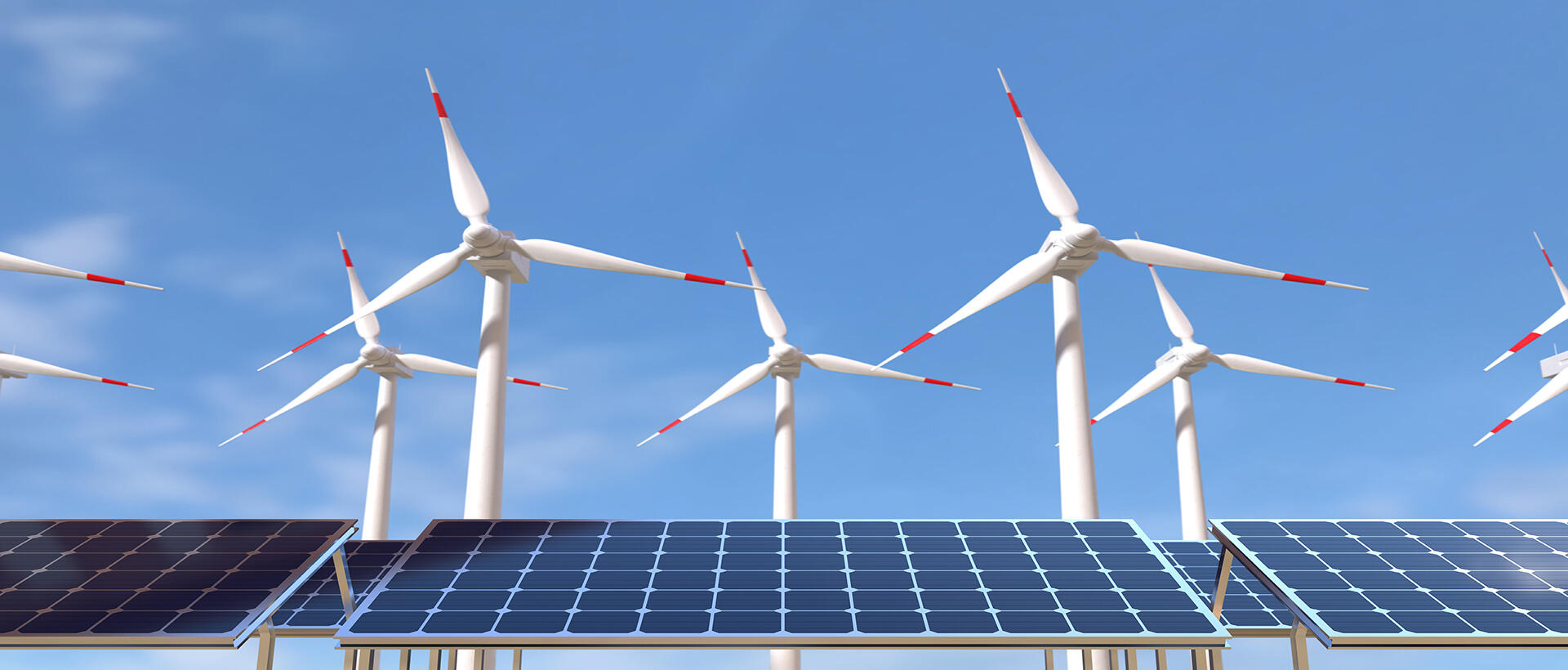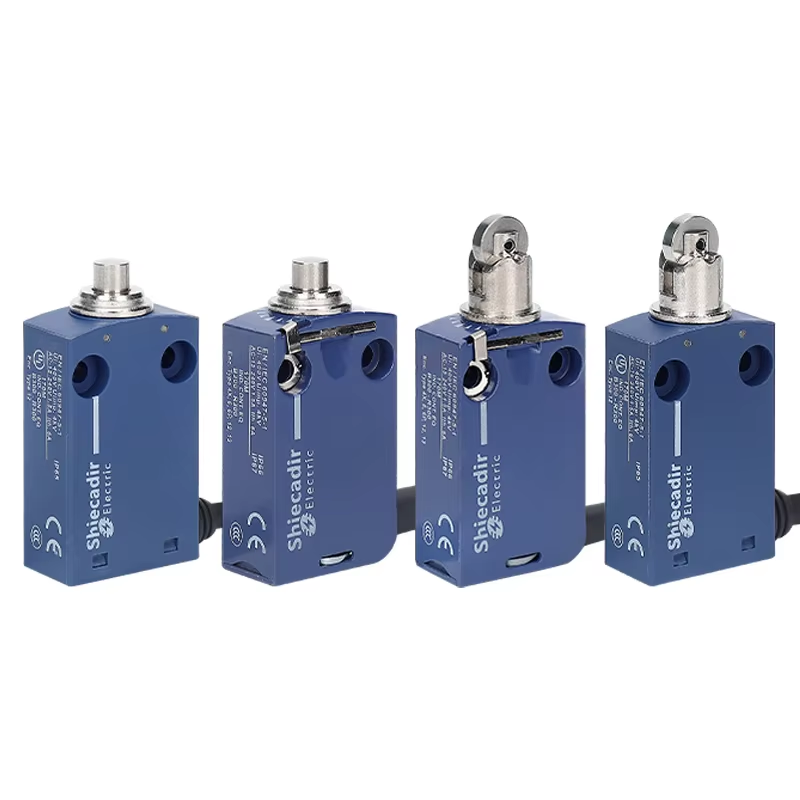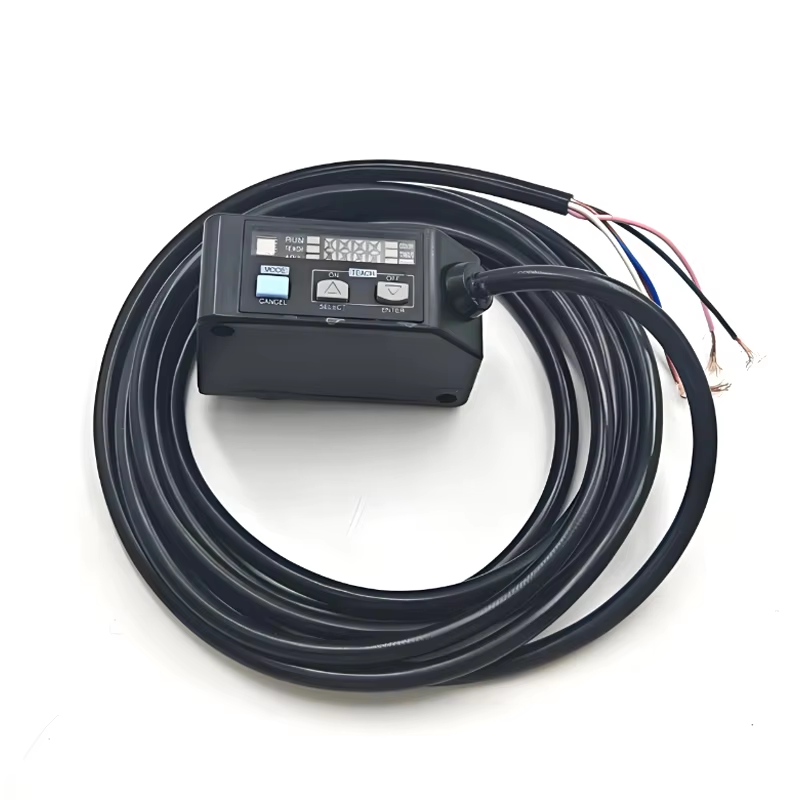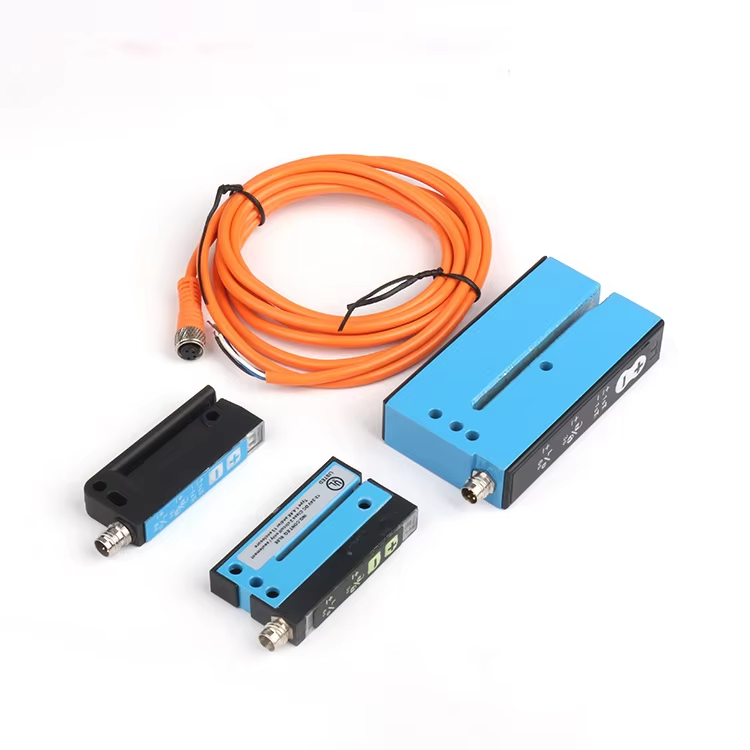
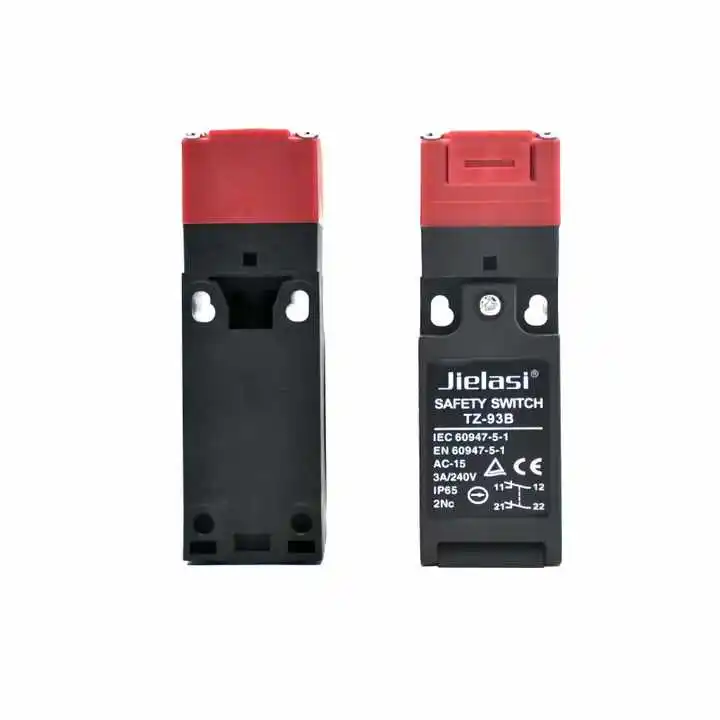
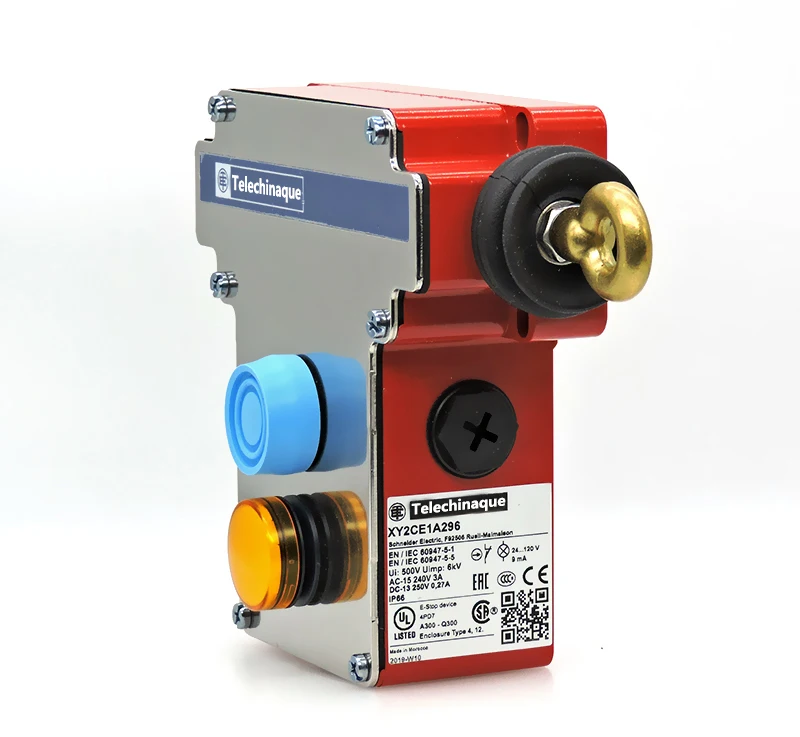
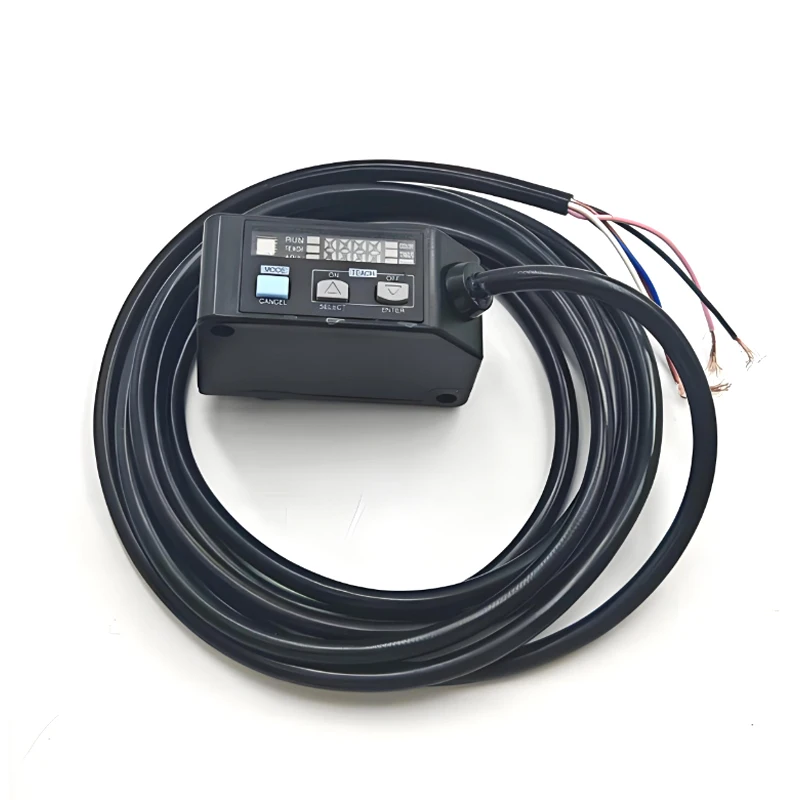
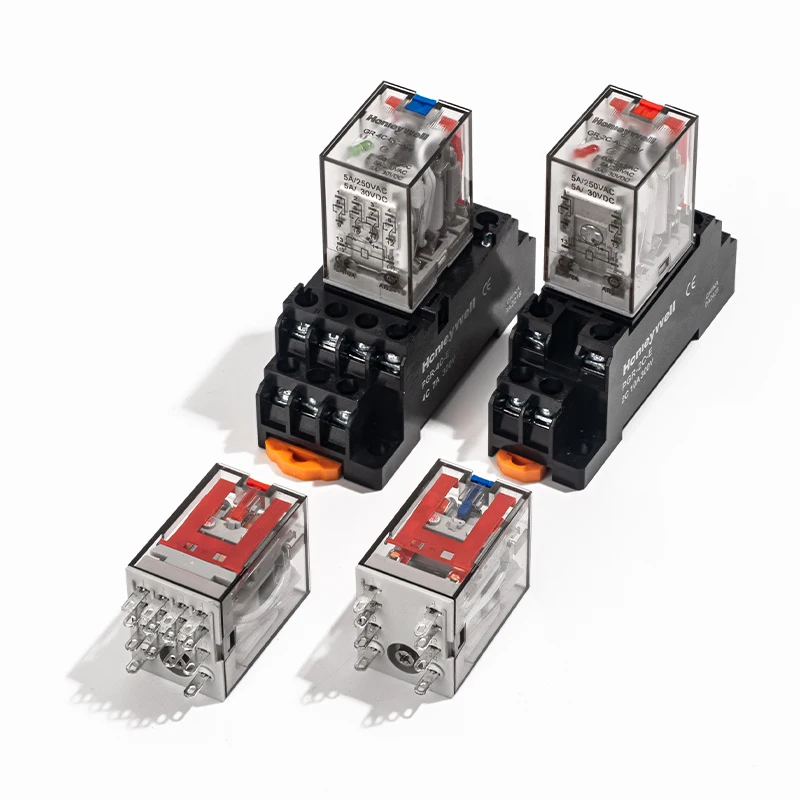
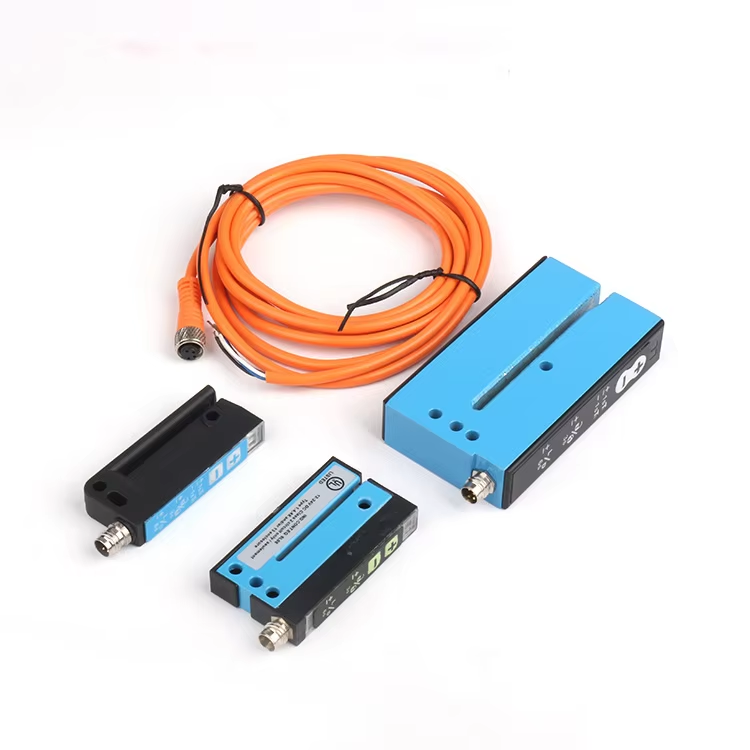
The energy sector, encompassing traditional power generation, distribution networks, and renewable energy installations, relies heavily on metal sensors for condition monitoring, equipment protection, and process automation. Inductive and capacitive proximity sensors are used to monitor the position of circuit breakers in substations, detect level of metal components in turbines, and protect conveyor systems in coal-fired plants from tramp metal damage. In the wind energy sector, metal sensors integrated into the blade pitch systems and gearboxes help in monitoring mechanical health, with case studies from North American wind farms indicating that such monitoring can lead to a 15-20% reduction in unscheduled turbine downtime. According to a 2024 market review by the International Energy Agency (IEA), the market for sensors in the energy sector was valued at USD 850 million in 2023 and is projected to experience a strong CAGR of 8.8% through 2030, fueled by the global transition to renewable energy and grid modernization efforts. A landmark project in 2023 involved the installation of a widespread network of wireless, corrosion-resistant metal sensors on offshore oil and gas platforms to monitor structural integrity in real-time, transmitting data via satellite. The evolving trend is the development of "self-powered" metal sensors that harvest energy from their environment (e.g., through vibration or thermal differences) for deployment in remote and difficult-to-access locations, thereby reducing maintenance needs. A survey of utility providers by Smart Electric Power Alliance (SEPA) in 2024 found that over 60% are investing in digital substation technologies that utilize intelligent sensor data for asset management. The solar power industry is also emerging as a significant user, with a 30% increase in the use of sensors for tracking system positioning and panel alignment since 2022, optimizing energy capture.